Side A · Liner notes
Evaluating Ingredient Safety in Popular Sunscreens: Insights from Wirecutter's Latest Recommendations
Skincare · Words by aureliayee · Released
Explore the ingredient safety of top sunscreens recommended by Wirecutter, emphasizing effective formulations and potential concerns for informed skincare choices.
Recently, The Wirecutter updated its sunscreen guide, which highlighted four of the best options based on texture, price, and reef safety. However, a crucial aspect left unaddressed is the safety of the ingredients used in these formulations. While sunscreens are designed to protect against harmful UV rays, not all are free from potentially harmful chemicals. With the recent approval of a new UV filter, Bemotrizinol, by the FDA—a development that’s noteworthy for its broad-spectrum protection and low skin absorption—now’s a fitting time to evaluate the ingredient composition of these four recommended sunscreens.
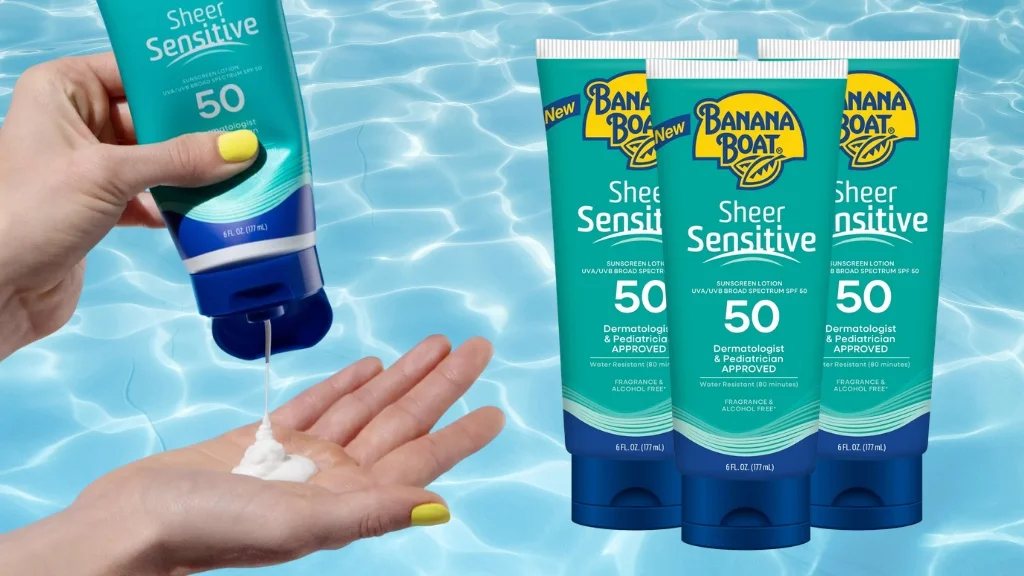
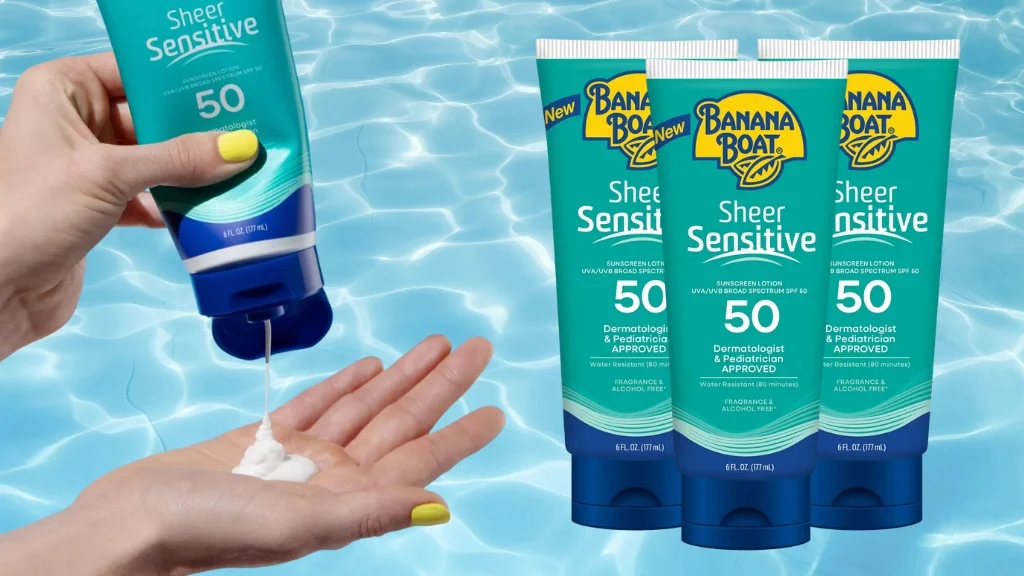
Banana Boat Sheer Sensitive
Claimed as "a superior chemical sunscreen" by Wirecutter for its lightweight and non-greasy feel, this product still raises some safety concerns worth noting.
Active Ingredients
- Avobenzone — 2.7%, effective for broad-spectrum protection.
- Homosalate — 7.5%. This ingredient is restricted in the EU to 7% due to potential endocrine-disrupting effects at higher concentrations.
- Octisalate — 4.5%, functioning as a UV protectant.
- Octocrylene — 5%, linked to coral bleaching.
Fragrance Considerations
- Fragrance-free: This product excludes added fragrance, minimizing the risk of allergic reactions often associated with fragrance ingredients.
Other Ingredient Concerns
- PEG‑100: This flagged inactive ingredient presents a risk as it can be contaminated with the carcinogen 1,4-dioxane during manufacturing, although some brands take measures to eliminate this risk.
Environmental Impact
- Not reef-safe: Containing octocrylene, this sunscreen poses a threat to marine life.
Equate Sport Value Size
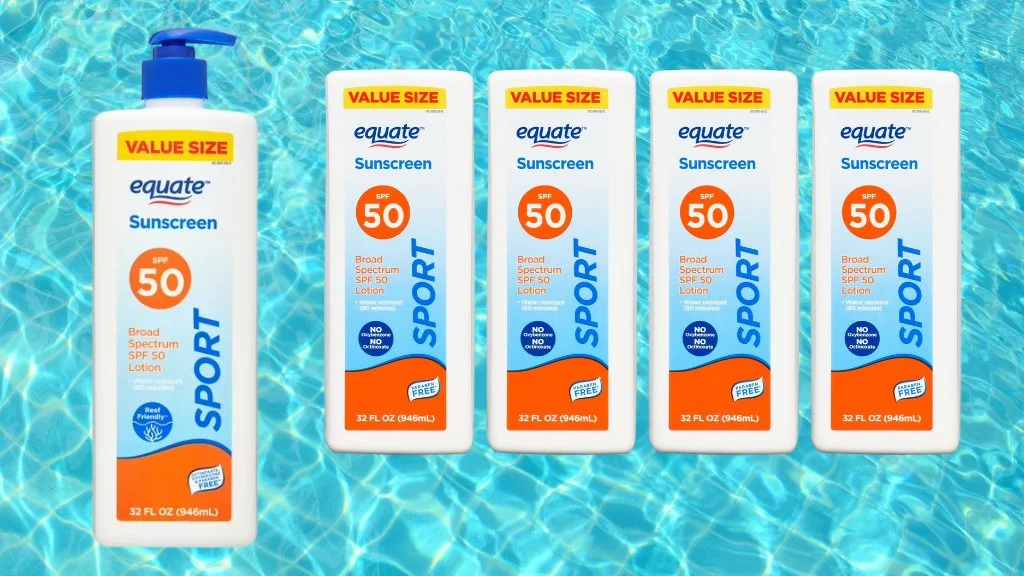
Another sunscreen praised by Wirecutter for its affordability and effortless application, but it also has multiple flagged ingredients that warrant caution.
Active Ingredients
- Avobenzone — 3%.
- Homosalate — 10%. The elevated concentration raises serious concerns about its potential endocrine-disrupting effects.
- Octisalate — 5%.
- Octocrylene — 6%, raising similar environmental concerns as noted with other sunscreens.
Fragrance Risks
- Contains fragrance: This ingredient may disguise potential allergens and harmful substances, affecting user health.
Other Ingredient Considerations
- PEG‑100: As previously discussed, poses contamination risks similar to those in Banana Boat.
Environmental Impact
- Not reef-safe: Contains octocrylene, which can harm coral reefs and aquatic ecosystems.
Thrive Bodyshield
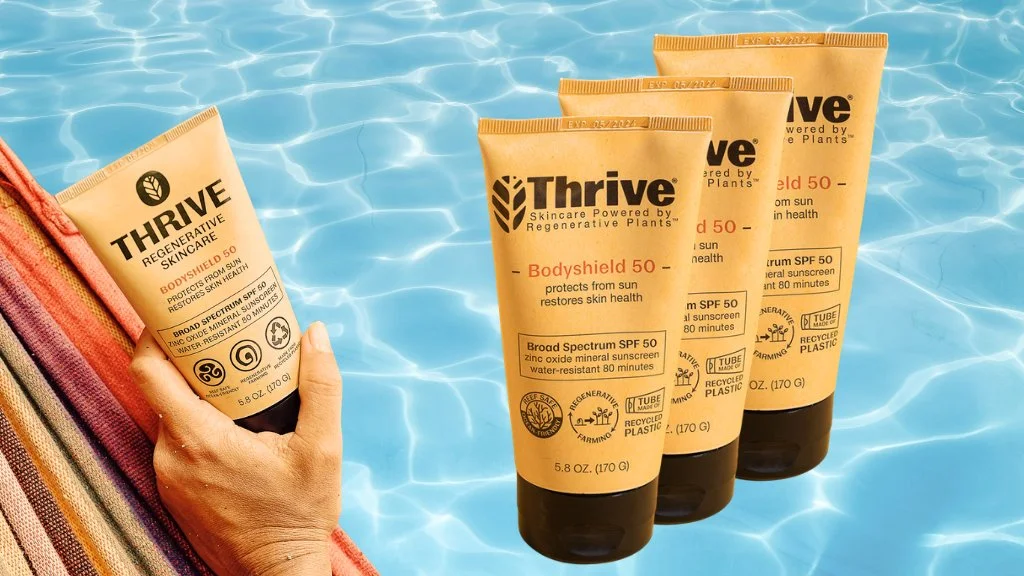
This mineral sunscreen is made with non-nano zinc oxide, and while Wirecutter finds it spreads quickly, its "reef-safe" claim should be approached with scrutiny.
Active Ingredient
- Non-Nano Zinc Oxide — 20%. This creates a barrier for UV protection while being minimally absorbed into the body.
Fragrance
- No synthetic fragrance: Despite the natural plant oils included, these can trigger sensitivity and other reactions in some individuals.
Other Notes
- Marketed as reef-safe: This sunscreen avoids commonly flagged ingredients, aiming for broader environmental safety.
- Unregulated status: The term “reef-safe” is not FDA-regulated, which means consumers should remain vigilant.
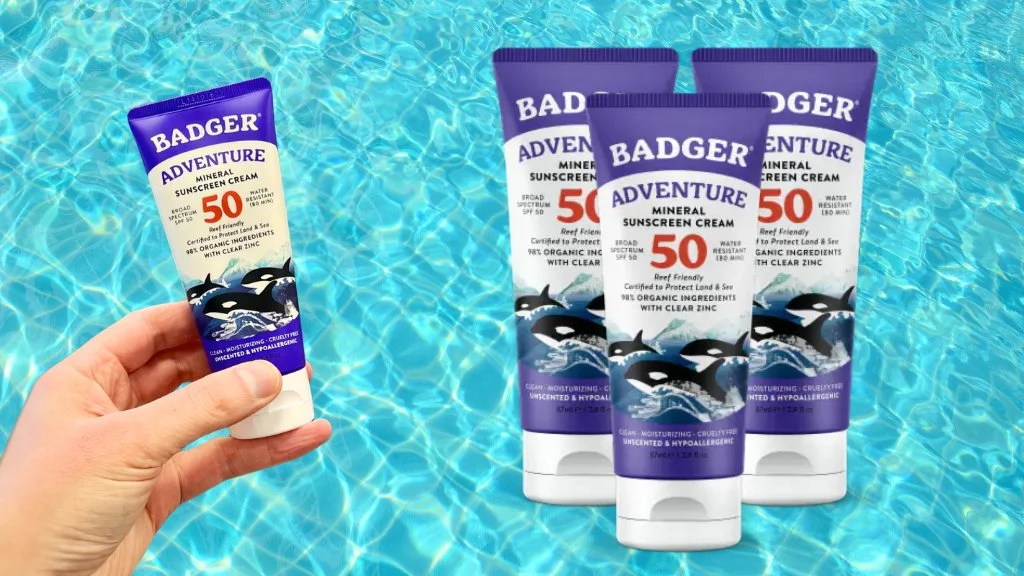
Badger Adventure Mineral Cream
Wirecutter touts this cream as a minimalist option with safe, simple ingredients, though it does have a thicker consistency that can feel heavy.

Active Ingredient
- Mineral Zinc Oxide — 25%. Offers robust mineral protection with minimal absorption.
Fragrance
- Fragrance-free: The absence of added fragrances reduces the likelihood of sensitive reactions.
Other Ingredient Considerations
- Four total ingredients: This minimal approach minimizes potential irritants, focusing on efficacy and user safety.
Environmental Impact
- Considered reef-safe: It avoids problematic chemicals linked to coral death and focuses on aquatic safety.
Final Verdict: Examining the safety of these products offers insightful choices for consumers. The standout option is the Badger Adventure Mineral Cream, given its safe ingredient profile and effective formulation, even if it may require more effort to apply. On the contrary, the Equate Sport Value Size, with its high homosalate concentration and added fragrance, emerges as the least recommended option, especially for those concerned about ingredient safety and environmental impact.
Ultimately, attention to fragrance in sunscreens is essential. Fragrance can often mask harmful chemicals, leading to unknown effects on skin and health. As such, opting for fragrance-free options is a prudent choice for safer sun protection.