Side A · Liner notes
Unmasking Fragrance: What You Really Need to Know About Beauty Products
Makeup · Words by ConnectionModel · Released
Discover the hidden risks of fragrance chemicals in beauty products and learn how the Safer Beauty Bill Package aims to foster transparency and safety.

The recent report by Breast Cancer Prevention Partners (BCPP) sheds light on the important yet often overlooked risks associated with fragrance chemicals in personal care products. Released in July 2025, Right to Know: Just How Hazardous Are Fragrances draws attention to the alarming presence of harmful chemicals concealed under the often benign labels of “fragrance” or “parfum” in many mainstream beauty and personal care products.
Consumers tend to trust these scents as they evoke pleasant sensory experiences, but by masking potential dangers, these fragrances often harbor a more sinister agenda. BCPP's extensive research over the past 15 years highlights a range of health risks linked to these clandestine chemicals—from the potential for hormone disruption and respiratory issues to fears surrounding cancer and other serious conditions.
The secrecy surrounding these ingredients originates mainly from two sources. Firstly, The International Fragrance Association (IFRA), representing approximately 90% of the global fragrance industry, maintains that the composition of fragrance ingredients is proprietary. This prevents consumers and even manufacturers from knowing what exactly goes into products they regularly use. Secondly, companies in the fragrance industry lobby vigorously against legislation that mandates full ingredient disclosure, effectively regulating themselves without external oversight or peer-reviewed safety evaluations. It creates a scenario where fragrances might smell delightful, but the safety of their components remains murky at best.
Essentially, consumers are left in the dark, navigating a buyer-beware situation regarding the safety of the beauty and personal care products they use. BCPP's initiative with the Right to Know report aims to bring forth critical information highlighting the health hazards associated with fragrance chemicals. The report analyzed the IFRA’s 2022 “Transparency List,” which includes over 3,600 individual fragrance ingredients.
Alarmingly, over half—1,665, or 56%—of the fragrance ingredients examined showed little to no data about their potential health impacts. For those that do have available data, about 44% indicated significant health concerns, including known carcinogens and substances linked to reproductive and endocrine disruption. The implication is stark: the majority of fragrance chemicals lack thorough testing for safety and carry potential risks that consumers should be acutely aware of.

Impacts on Specific Populations
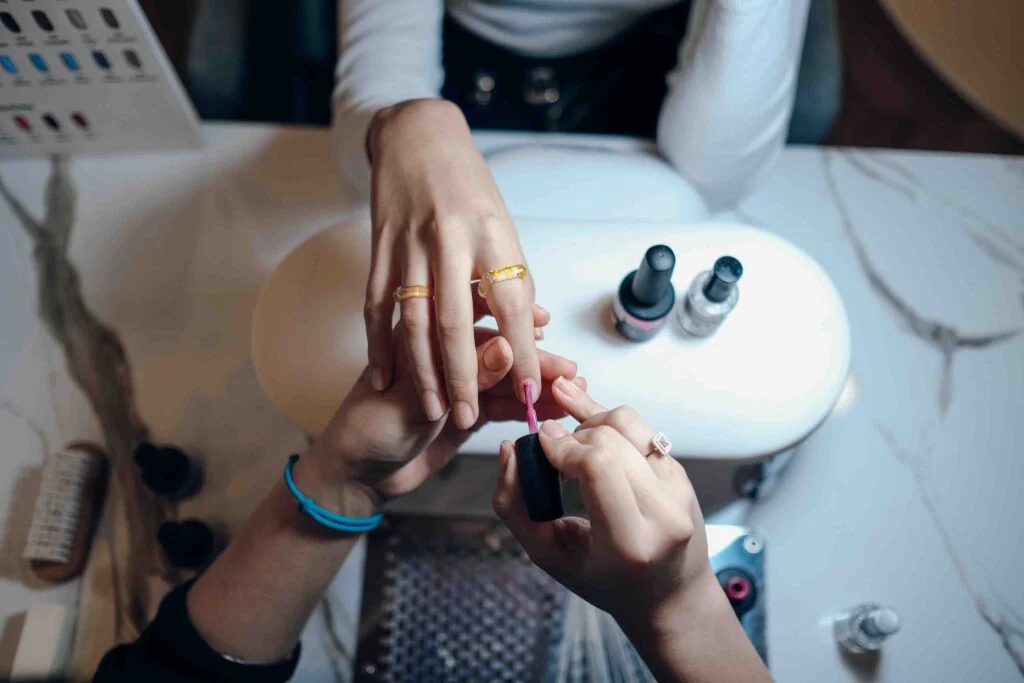
It's also crucial to recognize that the harmful effects of these chemicals don’t affect everyone equally. Women of color and salon workers, who typically have heightened exposure to fragranced products, are often at greater risk of encountering these adverse health effects. This underscores the importance of transparency in product formulations to safeguard the health of these vulnerable groups.
A Call for Action
BCPP’s findings underscore an urgent need for legislative change, particularly focused on the transparency of fragrance chemicals. The Safer Beauty Bill Package represents a significant legislative avenue aimed at mitigating these risks. Here’s how it seeks to promote the safety of beauty products:
- Toxic-Free Beauty Act (H.R. 4433): This proposed legislation calls for a ban on the inclusion of the most hazardous chemicals in beauty products, specifically targeting ingredients known to be harmful, such as certain parabens and mercury.
- The Cosmetic Hazardous Ingredient Right to Know Act (H.R. 4435): This act mandates full disclosure of fragrance ingredients on product labels, preventing brands from using vague terms like “fragrance” or “parfum” to obscure toxic components.
- The Cosmetic Supply Chain Transparency Act (H.R. 4434): This would require upstream suppliers to provide comprehensive ingredient disclosures, ensuring that cosmetic companies have the necessary safety data to create safer products.
- The Cosmetic Safety Protections for Communities of Color and Salon Workers Act (H.R. 4436): This legislation includes $30 million in federal funding aimed at safeguarding women of color and salon workers, prioritizing research into harmful chemicals present in products marketed to these demographics.
By actively pushing for these reforms, consumers can advocate for a safer beauty environment. Informing friends and colleagues about the risks associated with hidden fragrance chemicals, combined with encouraging representatives to support the Safer Beauty Bill Package, can help drive meaningful change in the industry. Together, we can take significant strides towards eliminating the hidden dangers of fragrance in our everyday beauty products.

The insights from BCPP’s investigation aren't just a call to awareness but a rallying cry for actionable change in cosmetic safety. By taking these steps, we can aim to ensure that beauty truly doesn't come with hidden risks.