Side A · Liner notes
Revamping Beauty Culture: Emphasizing Safer Choices and Community Engagement
Skincare · Words by aureliayee · Released
A rising focus on beauty ingredients is transforming consumer habits, driving a culture of safe, informed choices—especially among Black women and families.
Beauty is in the spotlight like never before. Consumers today are more proactive, taking a keen interest in skincare, haircare, makeup, and personal care products. They're scrutinizing labels, asking insightful questions, and discovering new brands while connecting their beauty routines to overall wellness. For Black women and families, this empowerment in understanding beauty ingredients is particularly meaningful.
Beauty transcends aesthetics; it embodies culture, identity, confidence, self-expression, and the intergenerational rituals that we cherish. It's essential that this conversation evolves into one of safety and empowerment, allowing individuals to make informed choices.
A Shift Toward Curiosity
Curiosity is a powerful motivator. Contrary to fear-driven narratives, many consumers are embracing a newfound inquisitiveness about their beauty products. This shift is notable; it signifies a movement toward comprehending what goes into these products, the reasons for using certain ingredients, and how to make choices aligned with personal and familial values.
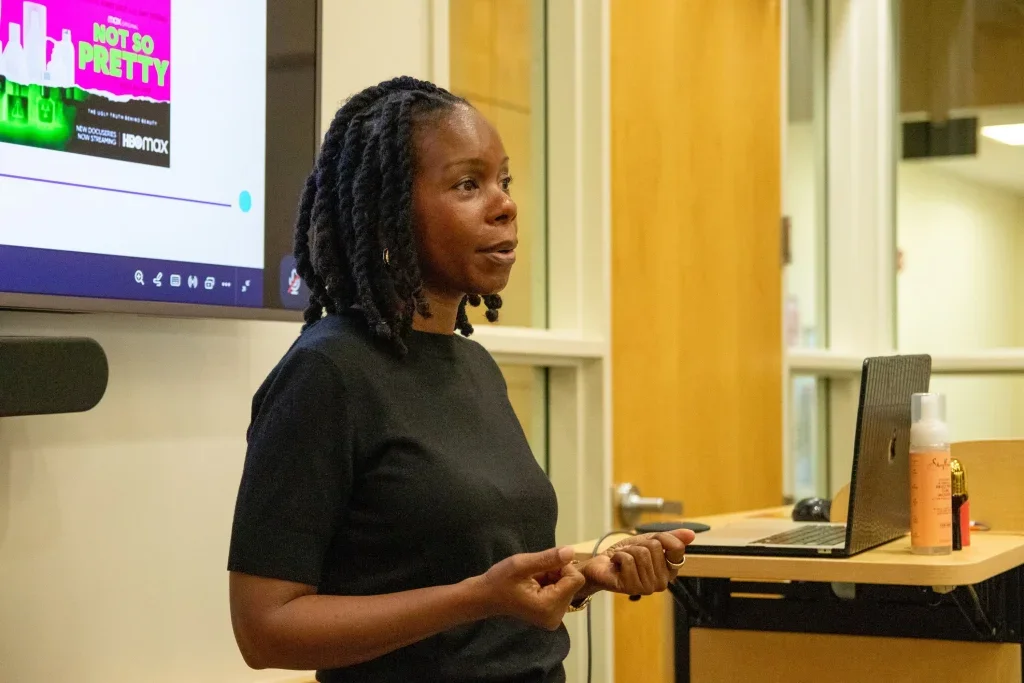
This desire for deeper understanding can emerge from casual conversations among friends, enlightening discussions in beauty supply stores, or workshops within the community. For instance, in Inland Southern California, families recently participated in a hands-on workshop hosted by the University of California, Riverside’s KIND Lab. With nearly 40 residents from 12 families, the event enabled participants to explore safer beauty alternatives while fostering discussions about environmental health.
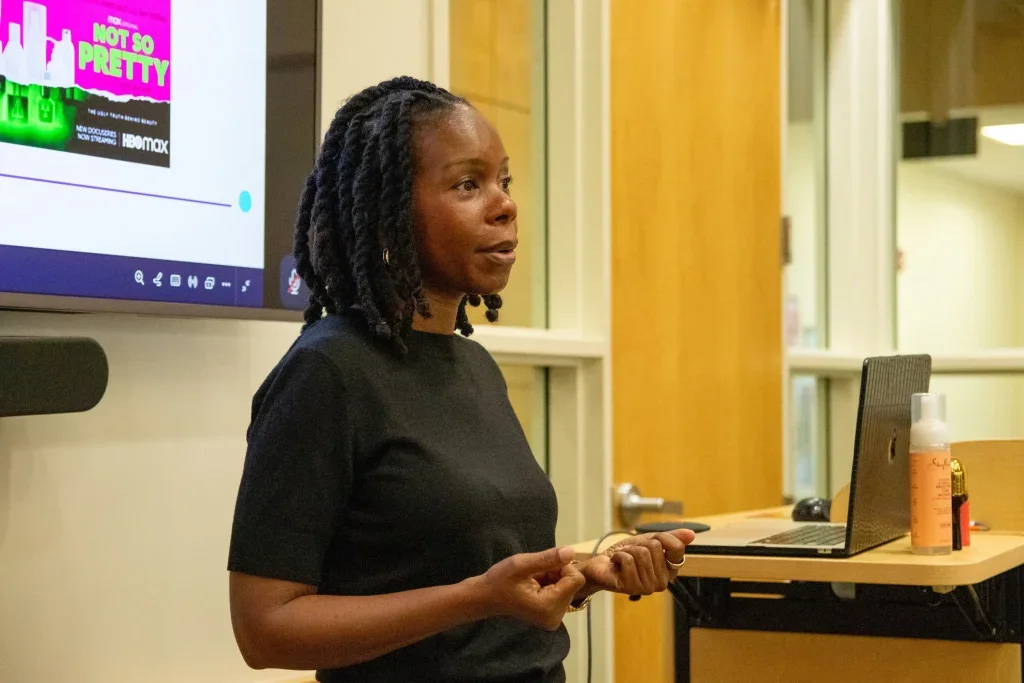
During the workshop, participants engaged in hairstyling activities and even crafted their own hairspray using natural ingredients like aloe and essential oils. This interactive approach emphasizes that learning about safer beauty can be enjoyable and uncomplicated.
Education in Familiar Spaces
Traditionally, conversations surrounding chemical exposure have felt detached from the everyday environments where people actually make their choices. The beauty aisle is one prominent example, as are the kitchen table and educational settings. These areas are already buzzing with discussions about health, self-care, and products.
Incorporating trusted information into these familiar spaces enhances the relevance and utility of these conversations. This community-centric educational model empowers individuals not just by dictating what they should avoid but by encouraging them to ask questions, share experiences, and build the confidence needed to make informed decisions.
Multicultural Beauty Needs Better Choices
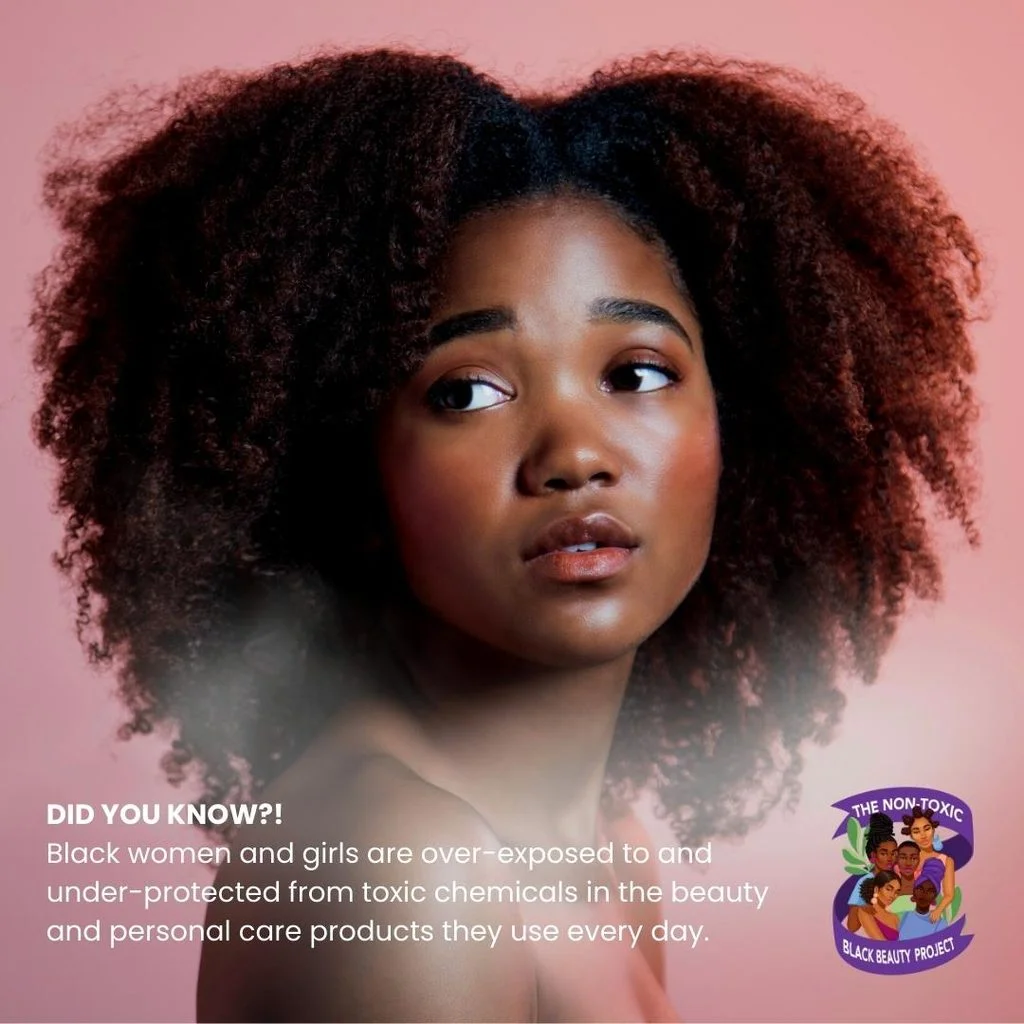
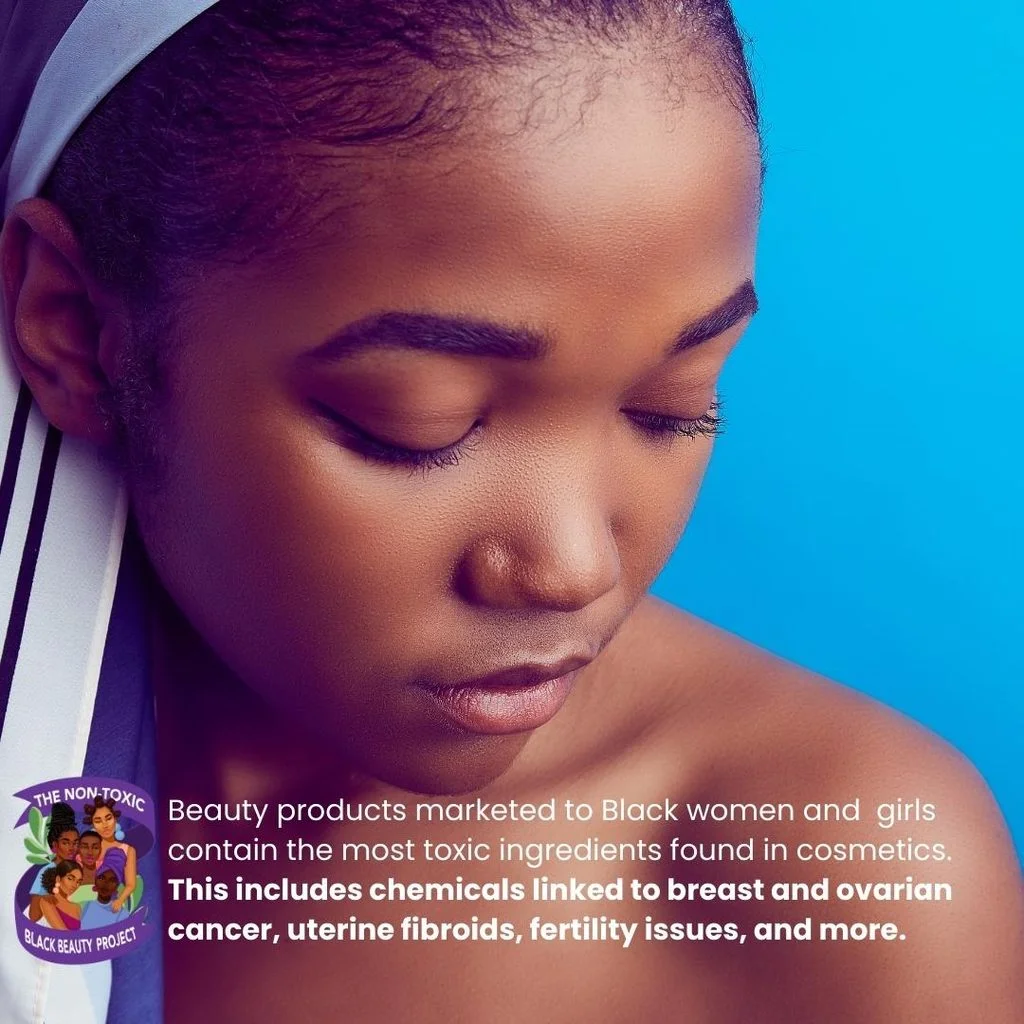
The Campaign for Safe Cosmetics’ Non-Toxic Black Beauty Project aligns closely with this educational approach. The project advocates for providing Black women and girls access to beauty products that prioritize their health rather than compromise it. The focus is on transparency from brands about ingredients, fostering an environment where consumers can make choices that support their well-being.
This initiative aims to create a beauty culture that includes everyone without forcing them to choose between beloved products and their health. It's about embedding safety into the beauty experience, making it a seamless part of the culture rather than an afterthought.
Starting with Small Steps
There's no need to completely overhaul your beauty routine in one go. Consider starting with just one product. Pick something you regularly use and scrutinize the ingredient list. Ask yourself: what is each ingredient meant to do? Seek information from trustworthy sources, and don’t hesitate to inquire when something doesn't click.
Becoming a more informed beauty consumer isn’t about achieving perfection; it’s about having choices and the right to understand what we apply to our bodies. The conversations happening in various communities—from home discussions to university-led workshops—are making valuable knowledge increasingly accessible.
The future of beauty, therefore, isn’t merely about fleeting trends. It embodies the aspiration to cultivate a culture that is healthier, more transparent, and inclusive for everyone.
Keep Learning and Engaging
If you want to dive deeper, the University of California, Riverside’s KIND Lab is bringing these essential conversations to families through workshops focused on making nutritious beauty choices. You can read more about their initiatives here: KIND Lab helps families make safer beauty choices.
Additionally, discover more about the Campaign for Safe Cosmetics’ Non-Toxic Black Beauty Project and arm yourself with resources to enhance your beauty decision-making. Stay curious and engaged in your beauty journey!
Astrid Williams, DrPH
Manager, Non-Toxic Black Beauty Project
Originally shared in The New Beauty Conversation: What We’re Putting on Our Bodies Matters on the Safe Cosmetics website.