Side A · Liner notes
Unearthing Cultural Ties: The Story Behind 'West Side Familia'
Skincare · Words by Team EBONY · Released
'West Side Familia' sheds light on the rich history of Black and Puerto Rican communities in Manhattan, exploring their intertwined struggles and storytelling.
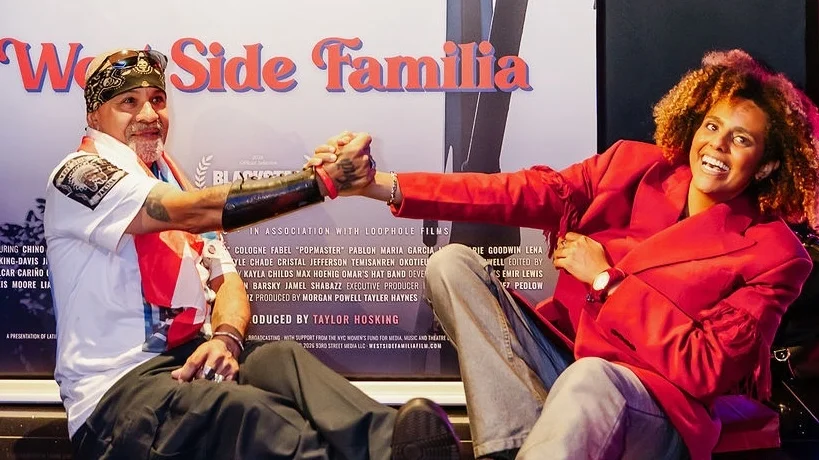
A Hidden Heritage on the Upper West Side
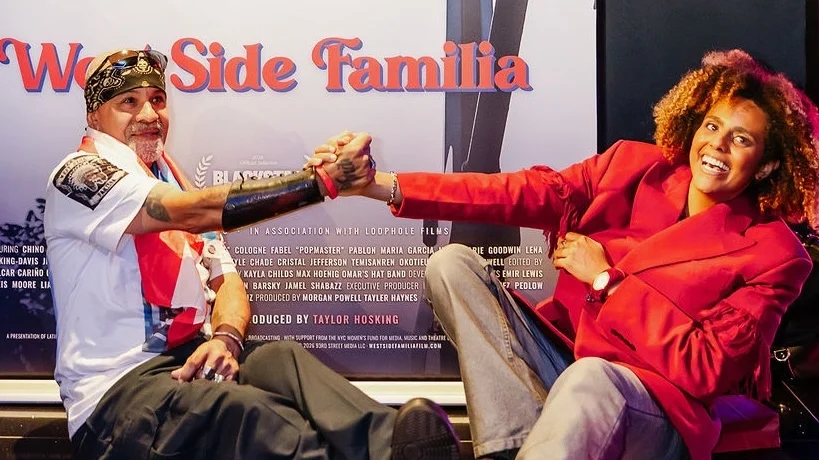
Many associate Manhattan’s Upper West Side with iconic television portrayals, like those seen in Seinfeld or Only Murders in the Building. Yet, beyond its glitzy surface lies a profound history woven into the very fabric of the Black and Puerto Rican communities that thrived there. First-time feature filmmaker Taylor Hosking steps into this narrative chasm with her documentary, West Side Familia, illuminating stories that have often been overlooked.
Personal Roots and Community Connections
In a recent discussion with EBONY, Hosking reflected on her upbringing as an African American and Puerto Rican girl who struggled with her cultural identity in a predominantly Black environment. “I didn’t speak Spanish,” she admitted, “and was raised predominantly as Black.” This unique perspective paved the way for her exploration into the vibrant cultural intersections of her neighborhood.
Through her journey of discovery, Hosking connected with Puerto Rican elders who were instrumental in forming the local crew known as La West Side Familia in the 1970s. These stories revealed an intricate web of relations linking the Black Panthers, the Young Lords, and local movements advocating for squatters’ rights, which ultimately laid the foundation for affordable housing initiatives that had a lasting impact on her community.
“I feel a sense of purpose after learning so much about the Puerto Rican liberation movement and understanding how closely it relates to the Black liberation movement. As someone who can tell stories, it feels even more important to me now.” — Taylor Hosking, director of West Side Familia
Interwoven Narratives of Resistance
The genesis of La West Side Familia was rooted in a strong desire to uplift the local community, heavily influenced by the activism of the Black Panthers and Young Lords. These organizations pioneered necessary programs that addressed childcare welfare and engendered summer exchange opportunities, fostering kinship across diverse groups.
As Hosking highlights in her film, the 1970s were a pivotal time when the interconnected nature of these movements brought forth a unique sense of solidarity. “The film shows how key movements from Puerto Rico’s independence movement, to the Cuban mission, to the Black liberation movement had a lot more national momentum in the 70s because of the interracial solidarity of organizing communities supporting one another’s causes,” she explains. This multiracial coalition laid the groundwork for the activism that many remember today.
Everyday Life and Cultural Identity
For residents like Maria Garcia, who grew up on West 89th Street, the blending of cultures was a natural aspect of life. “I didn’t know we were separate until many years later,” Garcia recalled, reflecting on her upbringing alongside both Black and Puerto Rican neighbors, indicating how life felt cohesive rather than divided.
Similarly, Hosking’s aunt, Lena, reported that the cultural exchange was not just parallel but infused with mutual respect and collaboration. “As far as Latino and Black culture, I would go so far as to say that they were even more than just parallel. They were intertwined,” she noted, asserting the importance of such recognition.
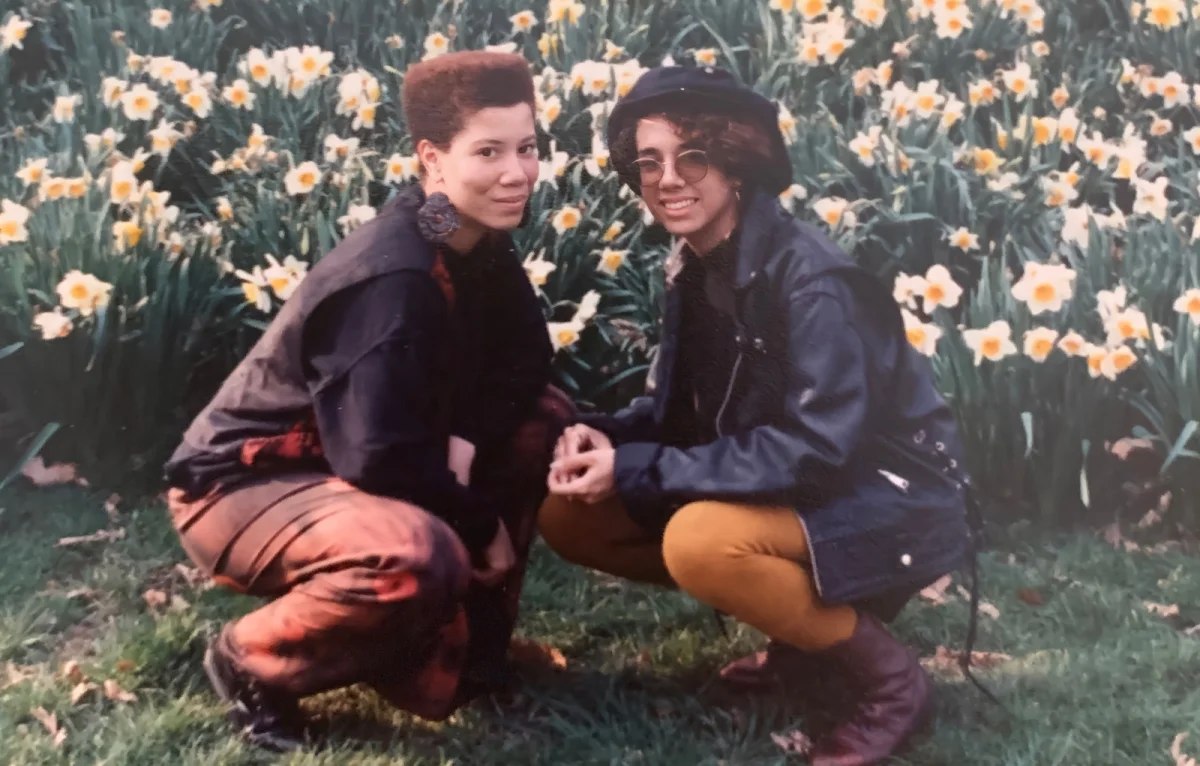
Preserving Cultural Heritage
For Taylor Hosking, crafting West Side Familia has been a transformative experience, deepening her connection to her roots and underscoring the need to combat cultural erasure. “I feel really lucky that I’m able to be a kind of bridge between the African American community and the Puerto Rican community,” she shared, emphasizing the significance of storytelling as a means of preserving cultural legacy.
Looking Ahead
Currently, West Side Familia is on an exciting festival and neighborhood tour ahead of its anticipated PBS release in 2027. This documentary is more than just a film; it’s a call to acknowledge and celebrate the intertwined identities within the Upper West Side. By revisiting these narratives, we can better understand the complex social fabric of our communities and appreciate the historical richness that binds us together.