Side A · Liner notes
The Compatibility Experiment: A Hilarious Take on Reality Love with JaNa Craig
Makeup · Words by Delaina Dixon · Released
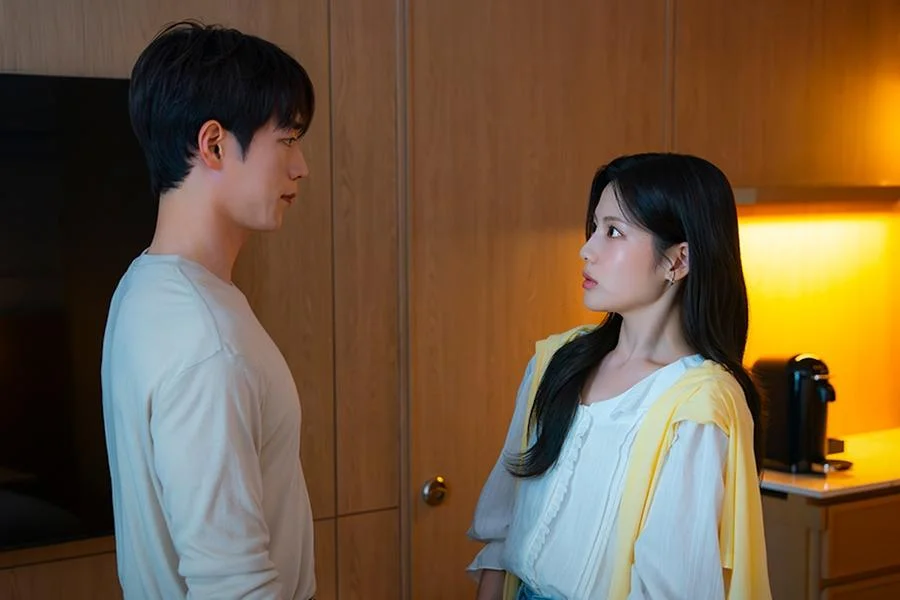
JaNa Craig hosts The Compatibility Experiment, a scripted parody that cleverly critiques reality dating shows and the nuances of modern relationships.
JaNa Craig Takes the Stage
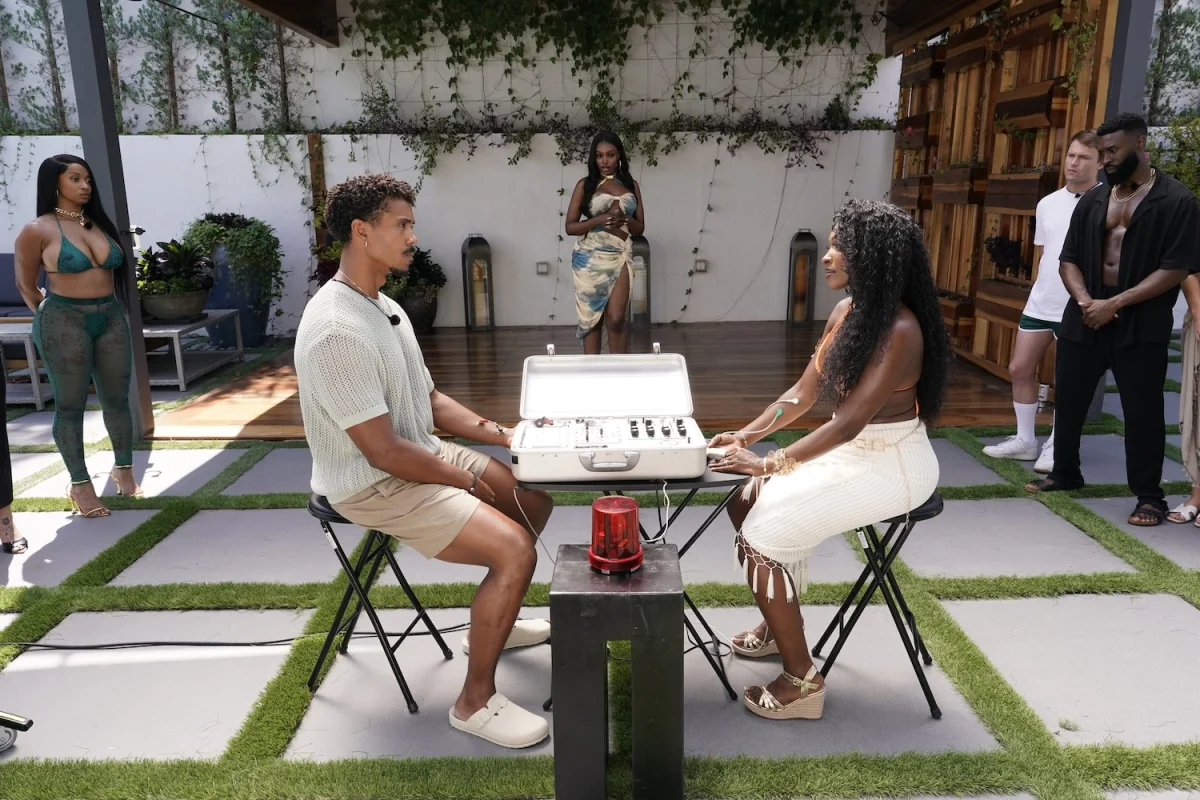
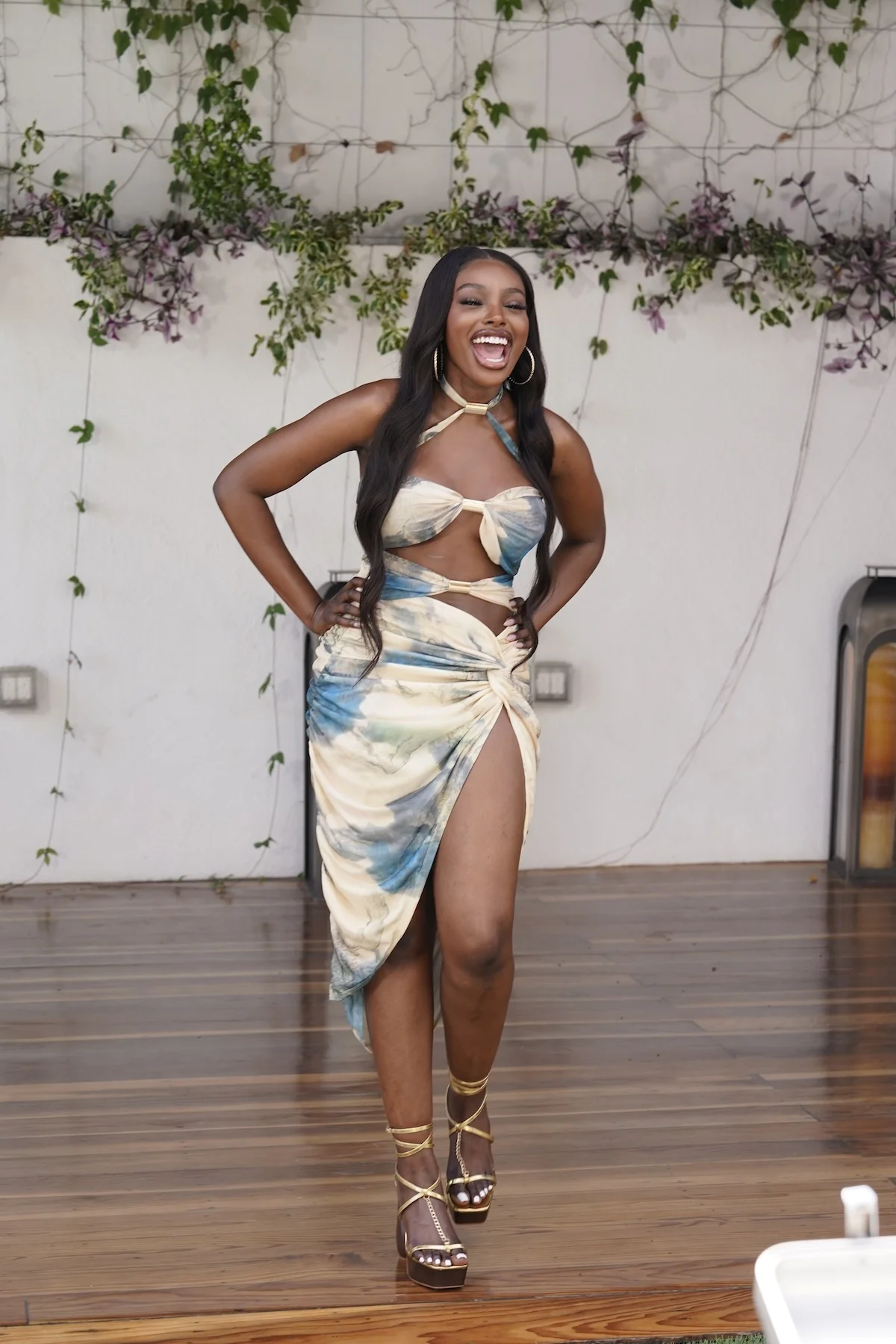
JaNa Craig, who gained popularity as a standout in Love Island USA Season 6, steps into the spotlight once again to host The Compatibility Experiment. This clever project from Issa Rae's HOORAE Media offers a satirical twist on the reality dating show format, poking fun at both participants and audiences alike. The transition from contestant to host showcases her evolution within the reality TV sphere, allowing her to leverage her experiences and insights into an engaging performance behind the scenes.
A Fresh Take on Dating Reality
Set to premiere on October 14, the series will be available on TikTok and PineDrama, providing a modern platform for a unique storytelling experience. The plot follows a couple, Camila and Kelvin—portrayed by Loren Lott and Tajh Bellow—who are struggling financially yet have a strong desire to protect their relationship. Entering a dating competition, they devise a plan: resist temptations while navigating a host of new romantic interests, all to win the grand prize of $1 million. However, twists lurk around every corner, challenging the couple's bond and forcing them to confront not just external pressures but also internal insecurities.
This narrative framework doesn't just entertain; it mirrors real-life relationship dilemmas exacerbated by external temptations and societal pressures. The stakes are high, and the reality of financial hardship adds layers of urgency to their journey. This setup amplifies the tension, prompting viewers to reflect on how monetary benefits can distort personal connections.
@hooraemedia The Compatibility Experiment
♬ original sound – HOORAE Media
Navigating the Chaos of Reality
Viewers familiar with reality shows will instantly recognize the tropes turned into comedic gold here. Former romantic partners crop up to create drama, edited footage leaves contestants questioning their choices, and surprise challenges escalate the tension in a way that feels both painfully real and hilariously exaggerated. Craig's role as host effectively balances sympathy for the participants with a winking acknowledgment of the absurdity that these scenarios bring. Her ability to remain detached while navigating the intense emotions involved adds a layer of depth to the parody.
However, there's more to it than just surface-level humor. The show cleverly manipulates genre expectations, offering commentary on how drama is orchestrated for entertainment, leaving audiences to ponder the authenticity of relationships depicted in reality TV. The comedic approach also serves to critique the spectatorship of love, allowing viewers to laugh at their own investments in these narratives.
Subtle Social Commentary
While the laughs are plentiful, the show dives deeper into social commentary. It cleverly addresses the scrutiny that real relationships undergo in the name of entertainment, making astute observations about how these formats distort perceptions of love and compatibility. Notable references to Love Island USA make light of cultural phenomena, with one character humorously suggesting that Black women perform particularly well on the show. Another blurs the line between fandom and reverence, comparing a contestant, Olandria Carthen, to historical figures like Harriet Tubman and Rosa Parks. This commentary makes you chuckle while prompting reflection on the nature of reality television and its impact on societal norms regarding love.
The interplay between humor and serious critique invites viewers to rethink what they consume as entertainment. While they laugh, they might also reflect on how deeply their perceptions of relationships are shaped by the media they engage with—something that's often overlooked.
The Rise of Microdramas
The brief yet impactful episodes paint a chaotic image of romance, capitalizing on a rising trend in Hollywood known as microdramas. According to research by Omdia, this format could generate about $1.5 billion in U.S. revenue by 2026, with projections climbing to nearly $2 billion in 2027. With a growing audience for Black-led narratives, HOORAE is beginning to establish itself as a serious player in this space. Their previous microdrama, Screen Time, amassed roughly 580 million views, proving that viewers are hungry for fresh and relatable stories.
This trend shows no signs of slowing down. If you're working in this space, it's essential to understand that microdramas reflect a shift in viewer preferences, with audiences increasingly favoring shorter, more digestible content. The potential for expansive storytelling in bite-sized formats is not just a trend; it's a necessity for engaging a time-constrained audience.
The Future is Bright
As The Compatibility Experiment unfolds over its 68 episodes, it explores the amusing yet insightful layers of love and relationships. By addressing the complexities of compatibility within a dating game often filled with manipulation, it offers viewers both entertainment and food for thought. It’s clear that Craig’s journey from reality contestant to host has equipped her with unique insights that resonate across the narrative, positioning her as both a commentator and an actor in this humorous take on love.
The blend of humor and genuine exploration of relationship dynamics is significant. Audiences might find themselves drawn not just to the laughs but also to the deeper questions about what constitutes love and fidelity in a world of spectacle.
To dive into the romantic drama packed with laughter and relatable moments, catch The Compatibility Experiment airing on HOORAE’s TikTok channel and PineDrama.