Side A · Liner notes
Navigating Beauty Safely: A Gen Z Perspective on Skincare and Cosmetics
Skincare · Words by ErikaWilhelm · Released
Discover how Gen Z is reshaping beauty standards by prioritizing safe cosmetics and informed choices in skincare routines.
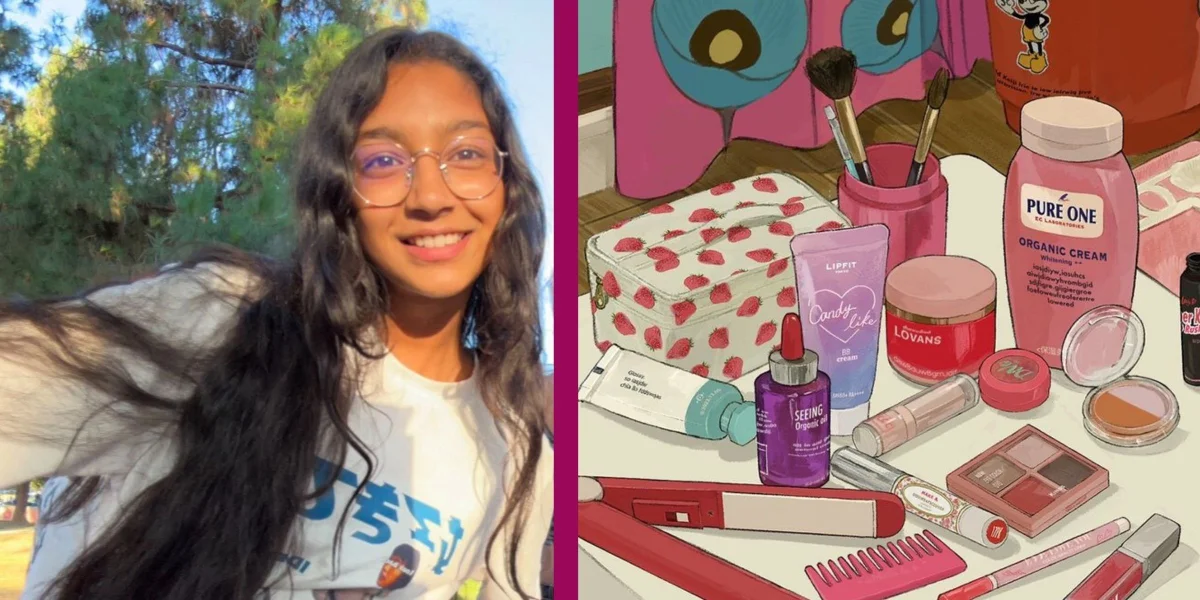
Hello! I'm Vismai, a 16-year-old junior in high school navigating the vibrant world of beauty and skincare. Growing up, I couldn't wait to start wearing makeup; my fascination began with those colorful Barbie kits that my parents deemed too chemical-laden for my youthful skin. Their concerns drove me to find out just how harmful makeup could be, leading me to research ingredient safety and ultimately seek out safer alternatives and cosmetics.
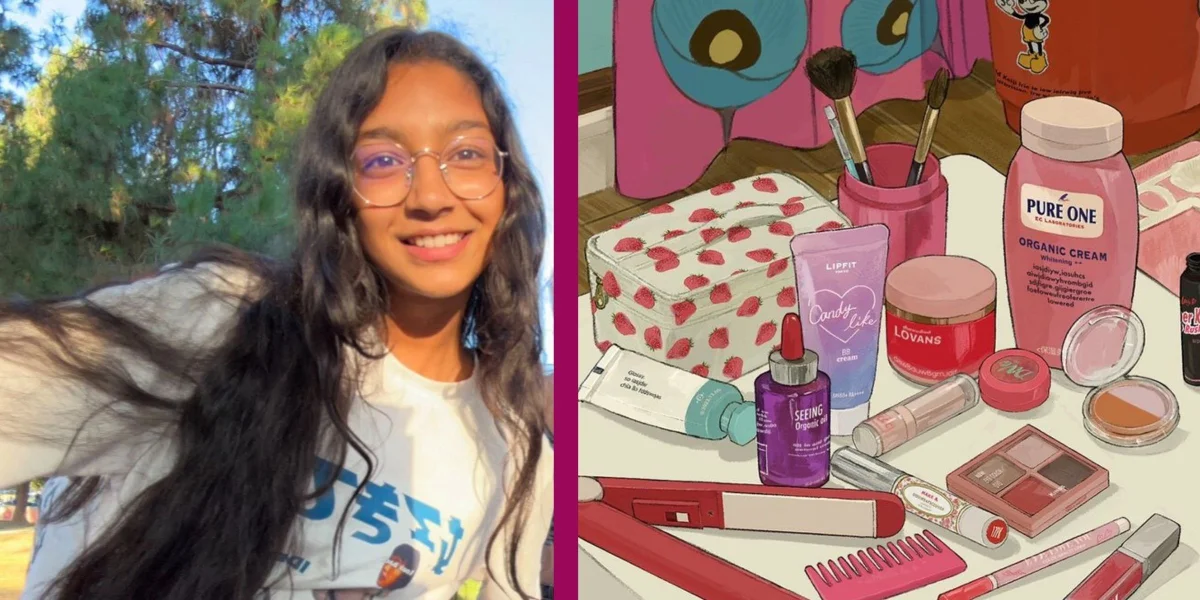
Today, my enthusiasm for exploring new looks remains as alive as ever, but my approach has profoundly changed. My makeup bag now features items like a talc-free eyeshadow palette, carbon black-free mascara, and an assortment of lip tints and balms that are both safe and effective.
Why Safe Cosmetics Matter: A Gen Z Insight
As I matured, I realized how critical it is to scrutinize product labels. It was an eye-opener to learn that many of the cosmetic products available in stores could actually contain harmful ingredients. The reality in the U.S. is startling—there's a significant lack of regulation surrounding cosmetic safety, allowing toxic substances to slip through the cracks.
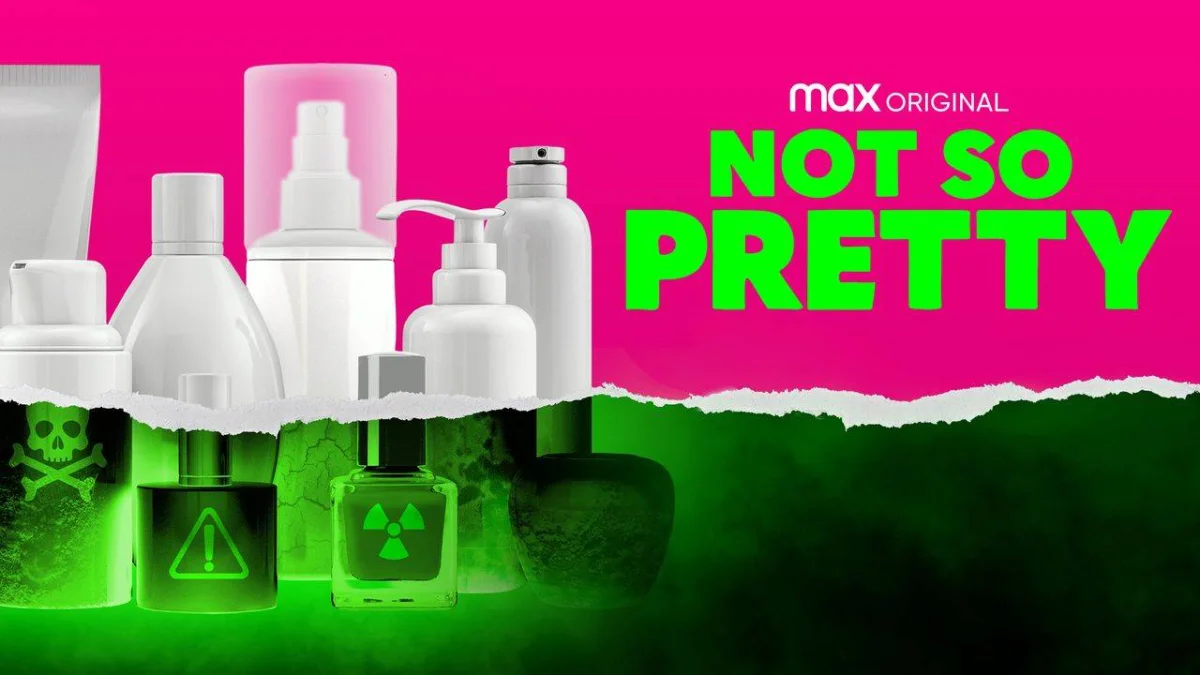
The turning point for me was watching the HBO Max documentary “Not So Pretty”. It revealed the health risks associated with many popular products, which is particularly alarming when social media amplifies their appeal straight into the hands of young consumers like us. That’s when I discovered the Campaign For Safe Cosmetics (CSC), a valuable resource that educates users on how to make informed purchases and identifies harmful ingredients.
Shifts in Marketing Strategies
The beauty industry has shifted its marketing strategies to cater to younger audiences, impacting how we interact with products. TikTok and Instagram feeds are saturated with recommendations like, “These nighttime rituals will ensure you wake up glowing,” creating an alluring image of beauty products that often gloss over their safety.
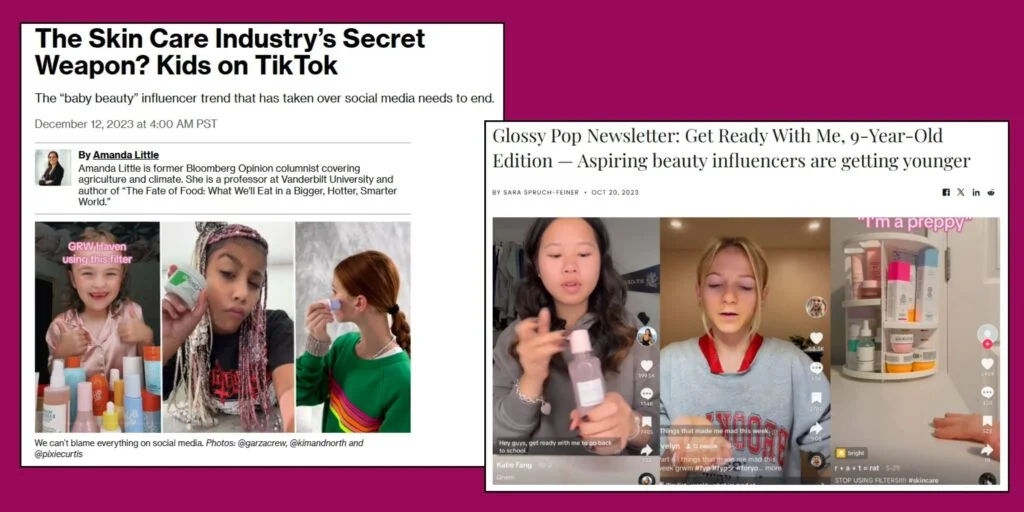
Today, teens and tweens flock to beauty retailers like Sephora and Ulta, eager to grab the latest trends. However, these young shoppers commonly overlook the ingredient lists. Many popular brands still include hazardous elements like parabens and sulfates that contribute to hormonal disruptions—especially concerning for those still in their development stages. Research has associated endocrine disruptors (EDCs) with serious long-term health issues, making it vital for young people to be aware of what they’re applying to their skin.
Shockingly, kids as young as 10-13 are incorporating retinol—an ingredient typically reserved for anti-aging regimens—into their routines. This raises the question: why should a child be concerned about wrinkles? The focus should instead be on healthy skin practices suitable for their age.
Becoming an Informed Consumer
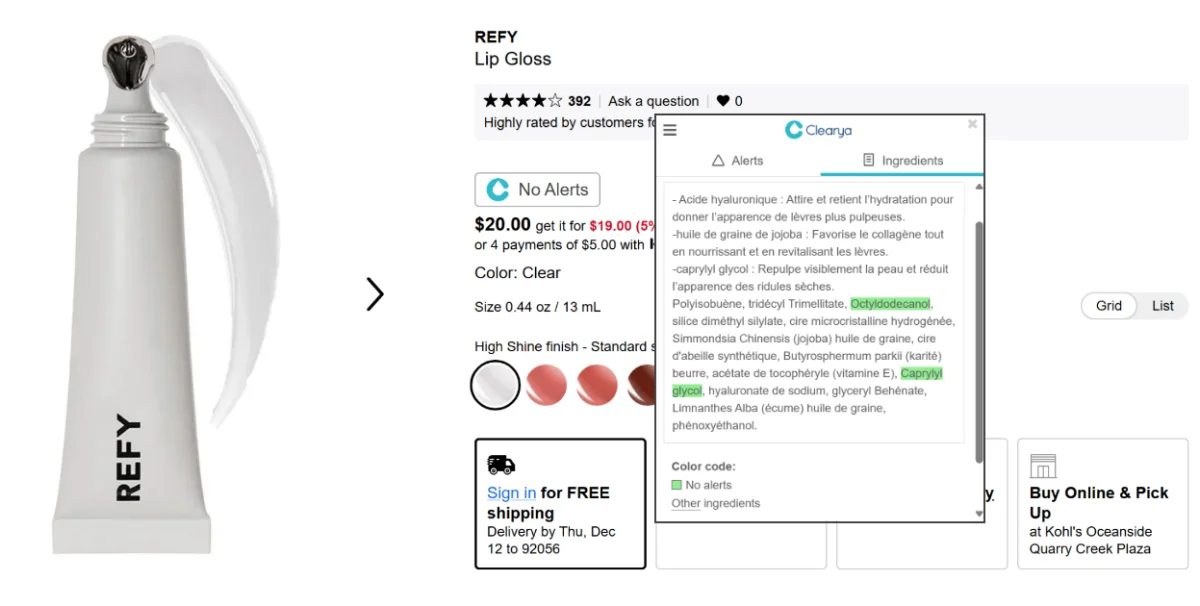
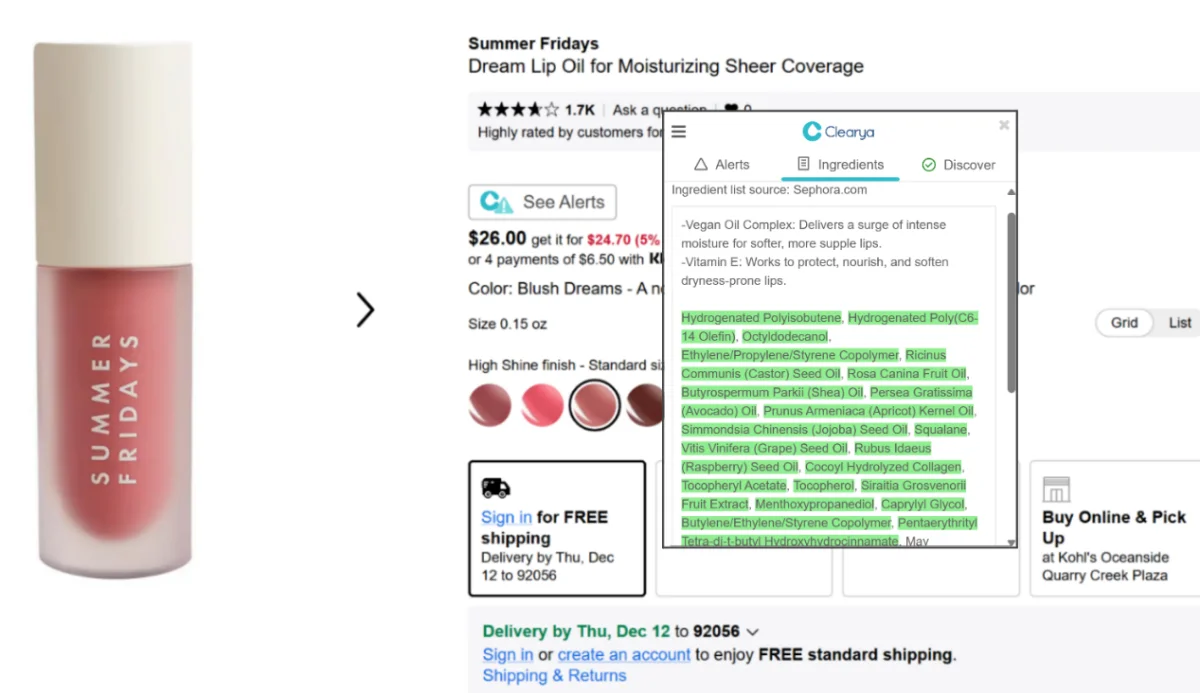
As I became more conscious about my cosmetic choices, I found myself scrutinizing ingredient labels meticulously. My initial go-to was checking for “fragrance/parfum,” knowing it could mask a cocktail of harmful chemicals. Now, tools like Clearya have simplified this process. This app scans product ingredient lists, alerting users to concerning chemicals and making safe shopping a breeze.
When looking to deepen my understanding, I rely on the CSC’s Red List of Chemicals of Concern, which outlines which substances to avoid and educates buyers about potential health risks.
Creating a Safer Beauty Routine
For anyone in their formative years like me, minimizing exposure to harmful substances during crucial developmental stages is paramount. Makeup and skincare should enhance our daily routine, not become sources of anxiety dictated by influencer endorsements.
Here are practical steps for making safer choices in your beauty routine:
- Clearya: A mobile app and web extension for safety checks.
- ThinkDirty: A user-friendly app to research cosmetics.
- Detox Me: Your guide to healthier living through product choices.
- CSC Red List: A valuable resource on harmful chemicals.
- Non–Toxic Black Beauty Database: Products from Black-owned brands that prioritize safety.
Beyond careful product selection, don’t forget the basics: maintain a balanced diet, hydrate adequately, and protect your skin from the sun. These are essential practices that promote overall health and well-being.

It's never too early to champion safer beauty practices. Advocating for health-protective regulations is necessary, as beauty brands should be held accountable for product safety. Consider supporting initiatives like BCPP’s Safer Beauty Bill Package by writing to your representatives—let's demand beauty products that are free from harmful chemicals.

Vismai Chitriki
Marketing and Communications Intern