Side A · Liner notes
Howard University and Google Research Unite to Enhance AI’s Understanding of African American English
Makeup · Words by Danyale Freeman · Released
Howard University and Google Research collaborate to advance AI's recognition of African American English, fostering inclusivity in technology and community engagement.
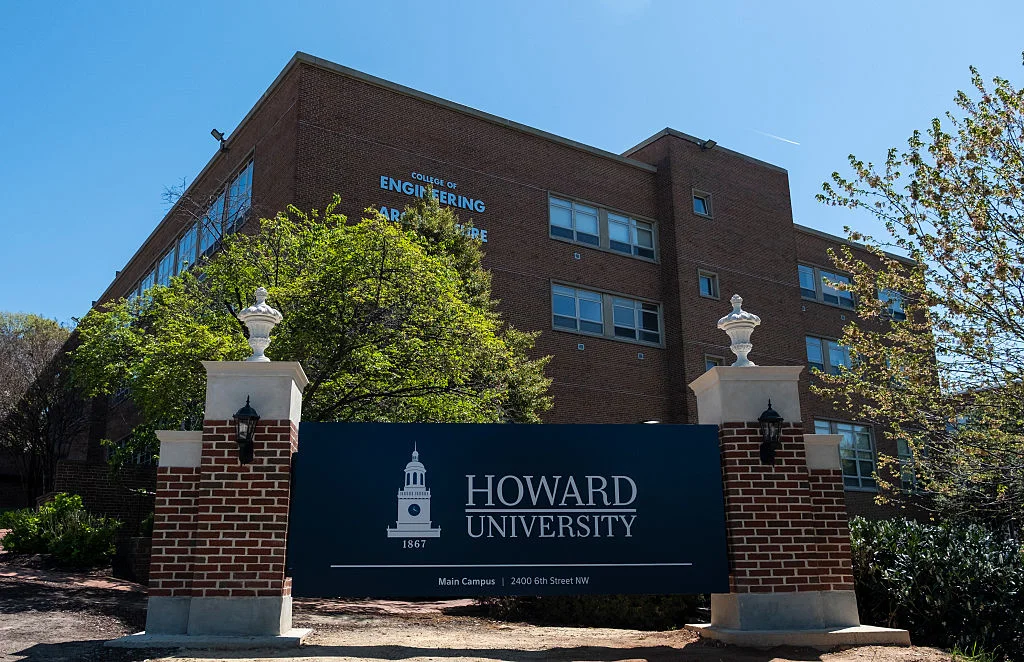
Artificial intelligence (AI) has become an integral part of daily life, influencing everything from voice-assisted devices to advanced speech recognition systems. However, the challenge remains that these technologies often falter when faced with the rich diversity of speech patterns among Black individuals across the United States. To address this gap, Howard University has teamed up with Google Research through a groundbreaking initiative called Project Elevate Black Voices.
This collaborative project aims to enhance automatic speech recognition (ASR) technology, making it more adept at accurately interpreting African American English, known formally as African American Vernacular English or Ebonics. By assembling a comprehensive dataset, the team has gathered around 600 hours of audio samples from speakers representing 32 states. This initiative seeks to encompass the varied dialects, diction, and speech nuances that characterize the Black community, ultimately allowing users to communicate naturally without feeling the need to code-switch.
Understanding African American English
African American English has deep cultural significance and historical context but remains underrepresented in mainstream speech recognition systems. Many Black users report having to adjust their natural speech when interacting with voice technology, which impacts the effectiveness of these systems in delivering accurate results. The habitual tendency to code-switch—adjusting one’s language based on the audience or setting—further complicates this interaction, often resulting in the loss of authenticity and cultural richness.
Through Project Elevate Black Voices, Howard University aims to shift this narrative. The Howard African American English Dataset 1.0 will initially be available to institutions within the historically Black colleges and universities (HBCU) network, fostering research that prioritizes the needs of Black communities. By working alongside these institutions, Howard's collaboration will help ensure that technological advancements genuinely reflect diverse speech patterns instead of enforcing a singular standard.
Ownership and Community Engagement
One significant aspect of this collaboration is that Howard University will retain ownership of the dataset, along with its licensing. This allows the institution to maintain control over how the data is utilized, ensuring that it aligns with their mission while offering Google Research an opportunity to enhance its services and products. Centralizing the stewardship of this data provides a chance for other HBCUs to engage in research that specifically targets the recognition of African American English within technological realms.
Moreover, the project's approach emphasizes community engagement and trust-building. Researchers have organized events where local Black thought leaders facilitated discussions surrounding culture, AI, and data privacy. By involving the community before audio recordings are contributed, this initiative aims to foster a sense of ownership and confidence among participants about how their voices are treated and represented in technological frameworks.
The Legacy of Zora Neale Hurston
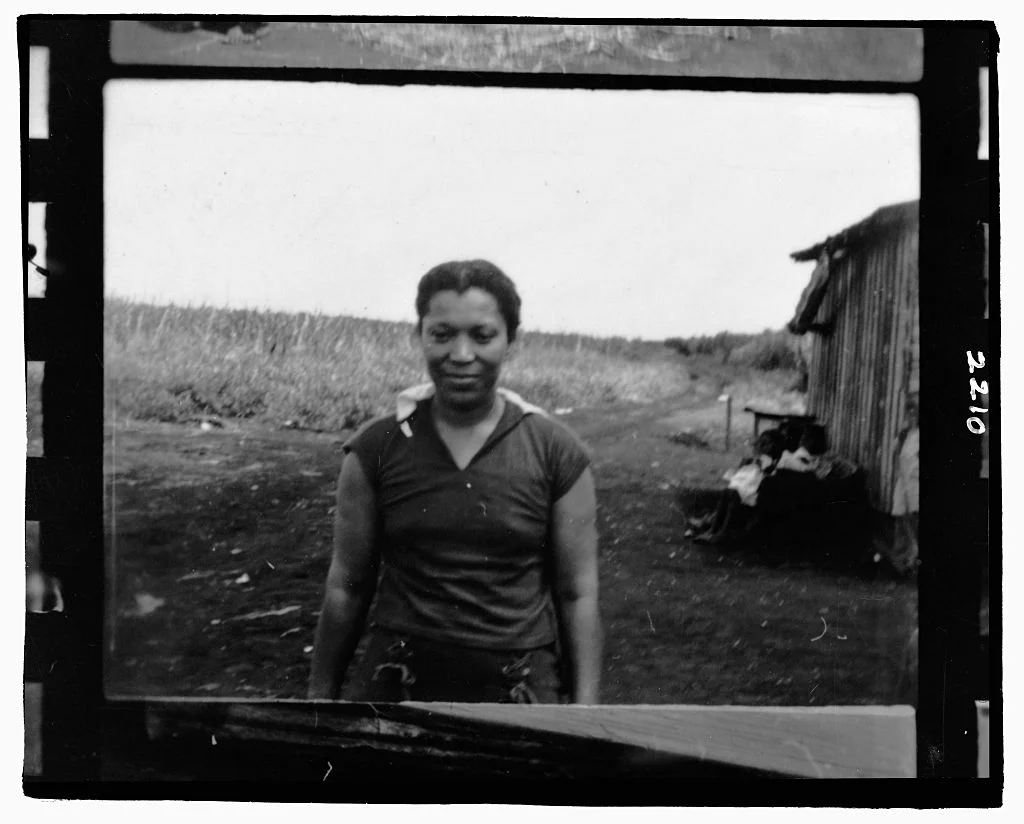
This initiative resonates with the legacy of Howard alumna Zora Neale Hurston, who is celebrated for her ethnographic work and literary contributions that captured the essence of Black speech and culture. A key figure in the Harlem Renaissance, Hurston’s dedication to documenting African American life—through works like Their Eyes Were Watching God and Sweat—serves as a reference point for this modern effort. By immersing herself in Black communities and preserving their dialects, she underscored the importance of language in conveying cultural identity.
Today, Howard University's collaboration with Google Research effectively continues this essential work by aiming to answer a relevant question: What do we lose when AI misunderstands the way Black individuals communicate? The project strives to articulate the nuanced variations of African American English while empowering HBCUs, ensuring that Black voices are not just recorded but fully understood by the technologies that surround us.
The significance of this endeavor goes beyond mere technical improvement; it embodies a broader movement towards inclusivity in technology, bridging cultural gaps, and empowering voices often marginalized in digital spaces. As AI continues to permeate everyday life, the importance of recognizing and accurately interpreting the richness of African American English will be crucial in shaping an equitable tech landscape for all.