Side A · Liner notes
Elevate Your Watch Photography with Tim Vaux's Expert Tips
Makeup · Words by David Smith · Released
Discover Tim Vaux's insights on capturing stunning watch photos, from technique to equipment, enhancing your style and storytelling through photography.
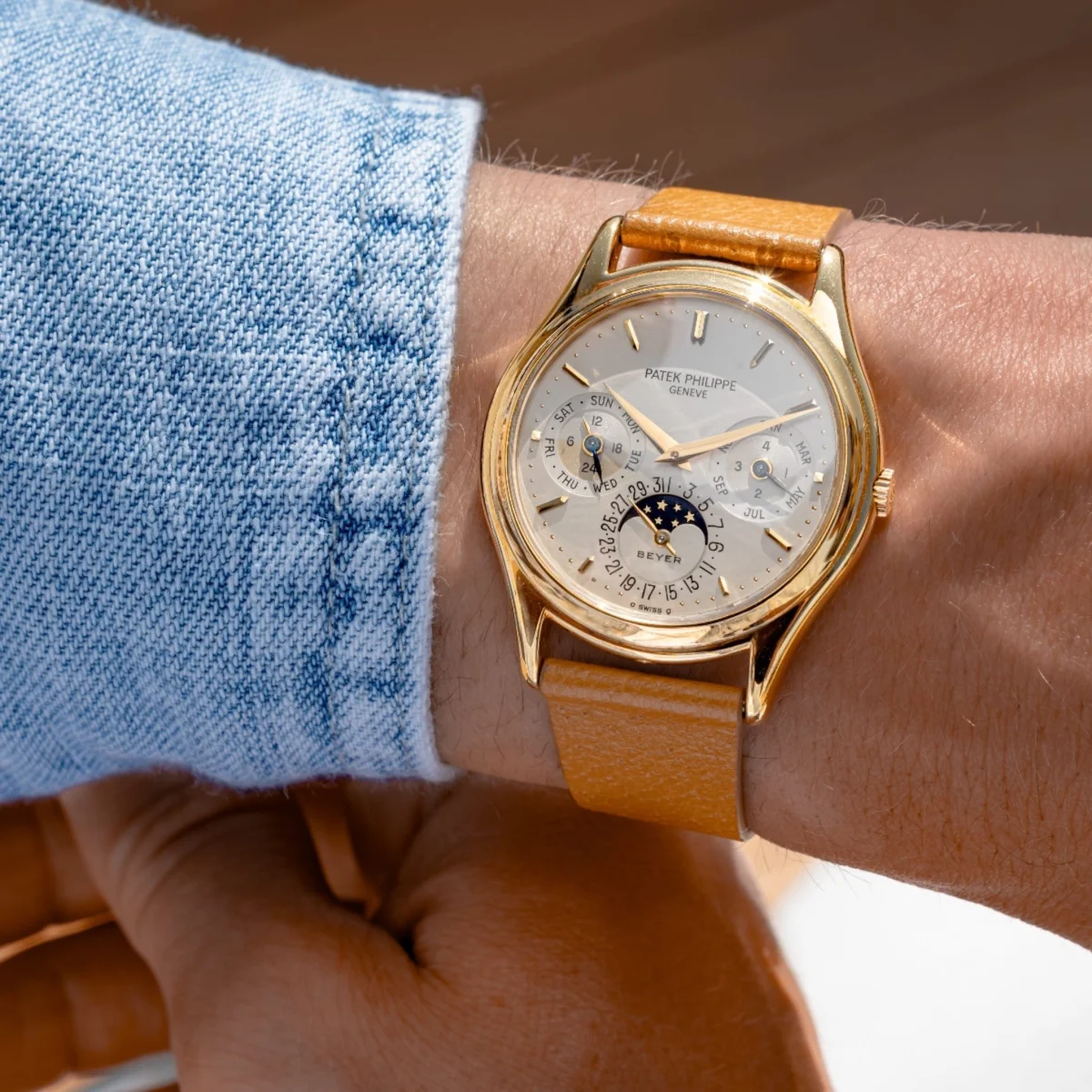
Tim Vaux transitioned from writing product descriptions for watches to becoming a respected watch journalist and photographer. His journey began at WatchGecko in 2016, where he noted that many of his peers were not only writers but also photographers. Inspired, Vaux picked up a camera to elevate the presentation of watches in print and online.
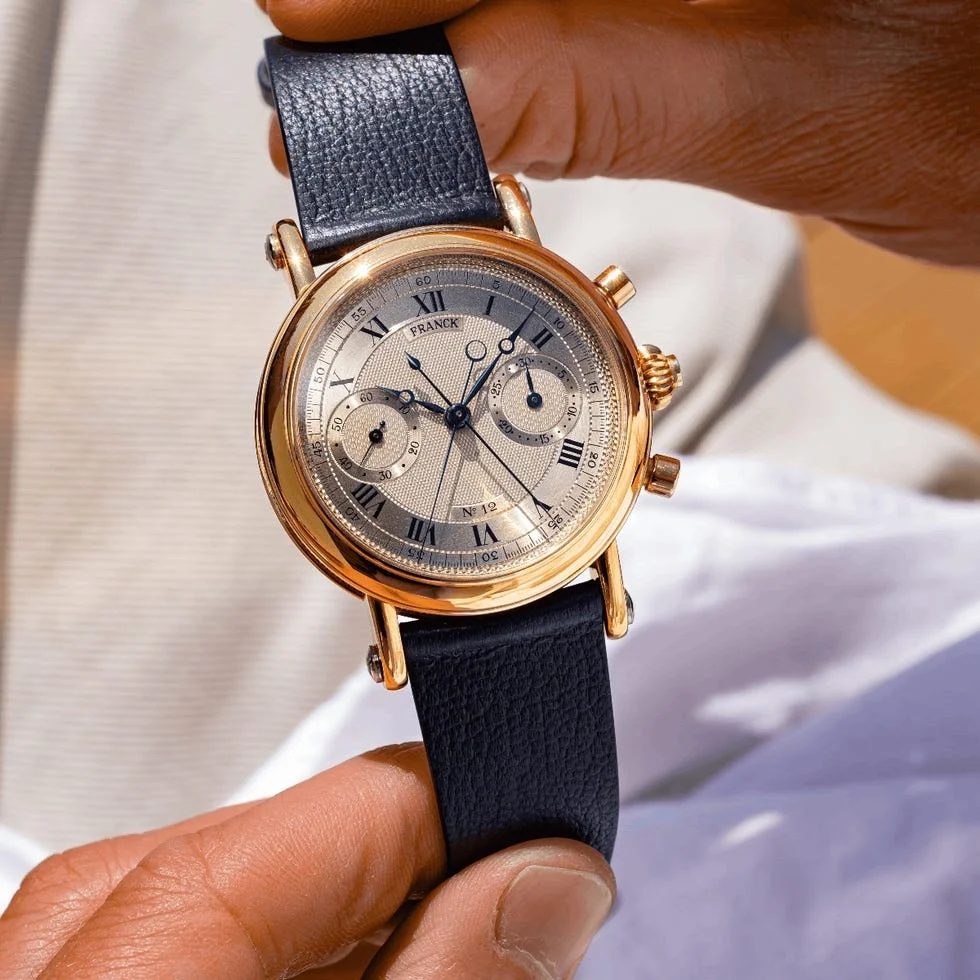
Vaux’s work has been showcased in prestigious outlets like Hodinkee, Wired, and Mr Porter, and he has collaborated with brands such as Cartier and Biver. His aesthetic captures both the intricate details of timepieces and the story they tell, making him a valuable source for anyone looking to improve their watch photography.
Building Your Style
Vaux emphasizes authenticity in watch photography. While it may be tempting to over-edit images for dramatic effects, he advises maintaining the integrity of the watch as it is. This respect for the watch’s craftsmanship elevates the quality of the photography. He believes that a photograph should accurately reflect the piece, whether it’s a Seiko 5 or a timepiece worth thousands.

Having originally started as a writer and marketing strategist, Vaux understands the importance of brand storytelling through visuals. He encourages photographers to think beyond the watch itself, considering the context and mood of the shot. By shifting focus away from overly stylized setups to more relatable scenes, he believes photographers can create images that resonate with a broader audience.
Capturing the Perfect Shot
When photographing watches, especially with a smartphone, Vaux recommends a simple technique: step back. Many people instinctively approach their subjects too closely. For natural wrist shots, he suggests utilizing the zoom feature rather than macro mode to showcase the watch beautifully without distortion.

Inputting thoughtful lighting into your photography can transform a simple shot into something exceptional. Vaux often finds inspiration in natural light, using windows or reflective surfaces to enhance the watch's features. For optimal lighting, he suggests utilizing a white card or even a bright shirt to bounce light softly, requiring minimal setup while effectively illuminating the timepiece.
The Right Equipment
Many argue that the camera doesn’t matter as much as the skill behind it, but Vaux firmly disagrees. While professional gear is not essential, using a camera that feels right in your hands can significantly affect your photography experience and results. Vaux prefers Fujifilm for its intuitive design, allowing instant adjustments without fumbling through menus, keeping the creative flow smooth.

Photography has also deepened Vaux’s appreciation for watches, enabling him to notice fine details like guilloché patterns and dial engravings that may be overlooked. This newfound perspective enhances his photography and enriches his storytelling capabilities.
Trends and Influences
Watch photography has evolved significantly, especially with platforms like Instagram influencing styles. Vaux critiques the trend towards heavily staged images filled with props that distract from the watch itself. Instead, he references A Collected Man, a brand that inspired him to embrace clarity and simplicity in presentation, reviving an “old-school” feel in his work that emphasizes elegance and authenticity.

The intersection of watches and culture, particularly in fashion and music, has also influenced the public's approach to timepieces. High-profile celebrities styling their watches incite curiosity and broaden interest beyond traditional watch enthusiasts, creating an appetite for more diverse watch photography.
Personal Insights
Vaux's personal history with watches traces back to his father’s influence, emphasizing the emotional connection these timepieces can foster between generations. His candid reflections on photography and watch appreciation shine through when discussing the nuances of capturing these intricate pieces.
When looking at his photographs, it’s evident he appreciates imperfection—allowing reflections or small flaws to tell the story behind each piece enhances relatability. His goal is to create images that invite viewers to envision themselves wearing the watch, adding an element of personal connection to the photography.
Conclusion
As Vaux continues to navigate his dual identity as a writer and photographer, he remains grounded in his passion for watches. He, like many in the industry, adapts to trends while nurturing personal taste that evolves with experience and exposure to a broad array of timepieces.
His insights not only serve as a guide for aspiring watch photographers but also as a reminder of the broader cultural landscape that surrounds watch collecting and appreciation. Whether you’re aiming to showcase your own collection or simply refine your photography skills, Vaux’s expertise offers a wealth of knowledge and inspiration.
To embody the spirit of his approach: be genuine, stay curious, and let your passion for watches guide your lens.