Side A · Liner notes
Crafting Your Own Charcoal Cleansing Balm: A Step-by-Step Guide
Skincare · Words by Jilly Schechter · Released
Create a nourishing charcoal cleansing balm at home with our comprehensive guide that walks you through the ingredients, process, and usage tips.
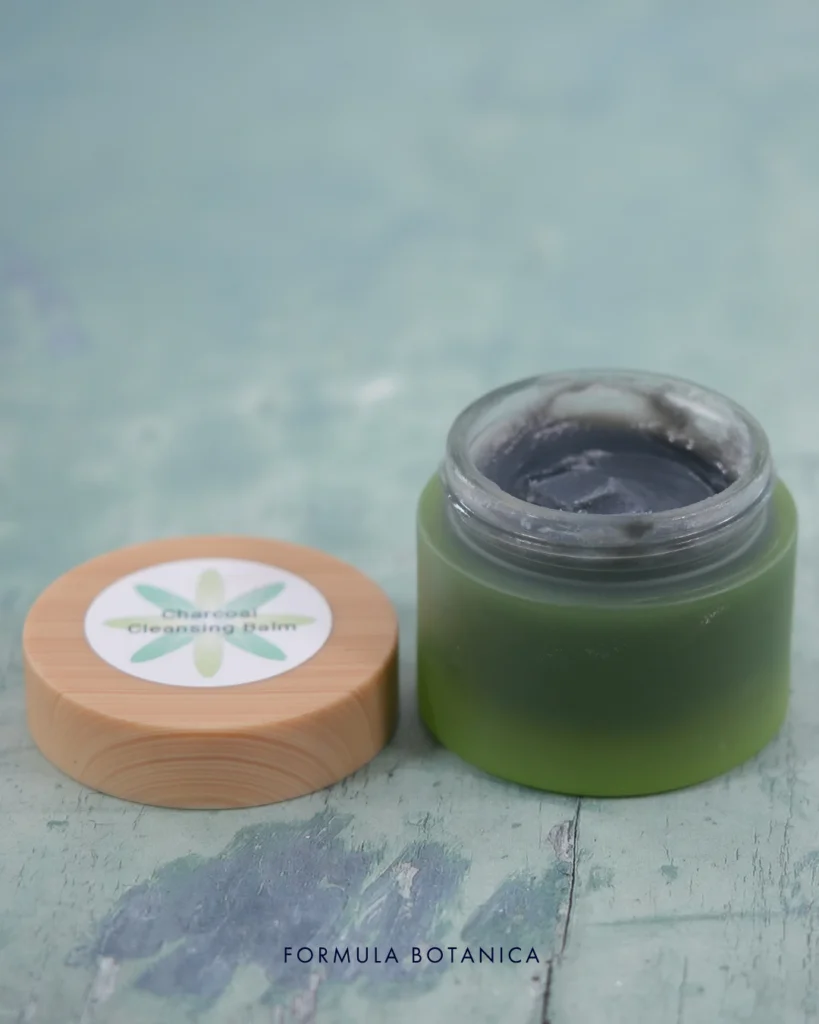
Charcoal has made quite a name for itself in the beauty world, serving as a powerful filter that draws out impurities. Historically, this humble ingredient was utilized in ancient Egypt for treating wounds and is still applied in hospitals today to manage certain poisoning situations due to its adsorption capabilities. This means charcoal binds to unwanted substances, thanks to its extensive porous surface, functioning like a molecular magnet as opposed to absorbing materials like a sponge.
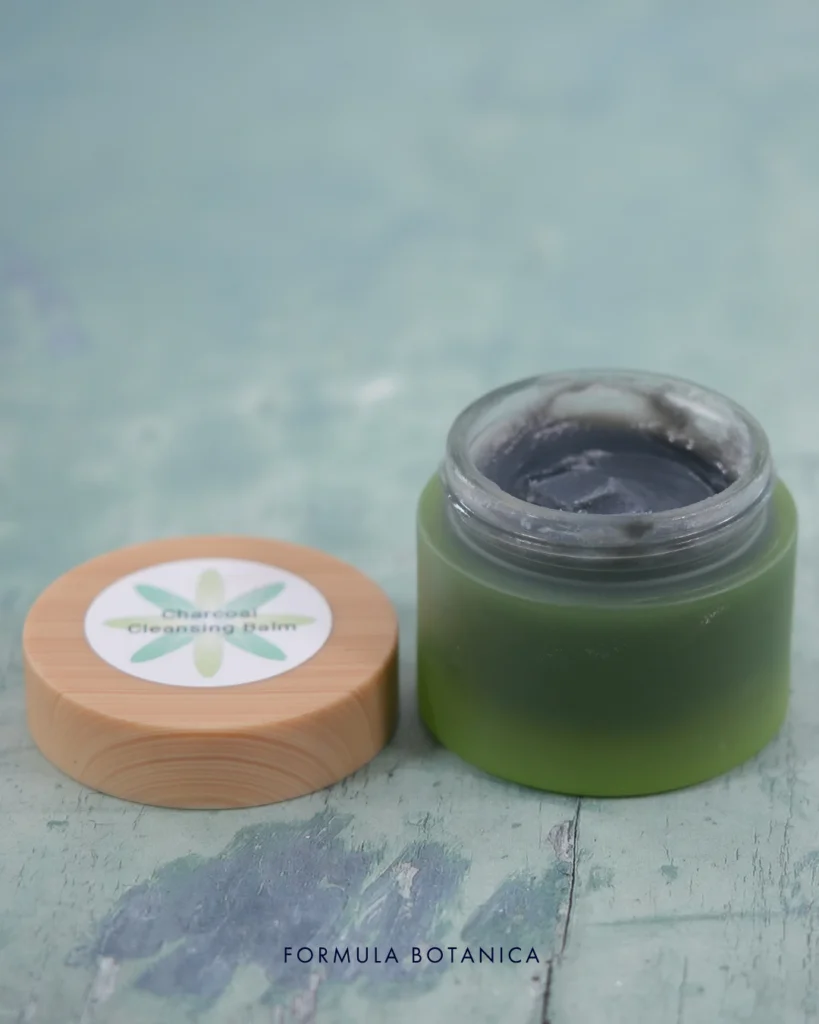
This remarkable property extends to its use in a cleansing balm. When formulated correctly, charcoal serves a dual purpose by adding its binding effect atop the oil cleansing process. In essence, oil cleansing leverages a simple principle: massaging an oil or balm into dry skin dissolves oil-soluble dirt, makeup, and excess sebum, operating on the idea that "like dissolves like."
Let’s embark on a step-by-step journey to create your very own charcoal cleansing balm that effortlessly lifts makeup and daily grime while imparting a soft, conditioned finish. This guide will not only provide insight into the formulation but also give you valuable experience in working with various oils, waxes, and butters, alongside simple adjustments that can alter your balm's final texture.
What You’ll Need to Make a Charcoal Cleansing Balm
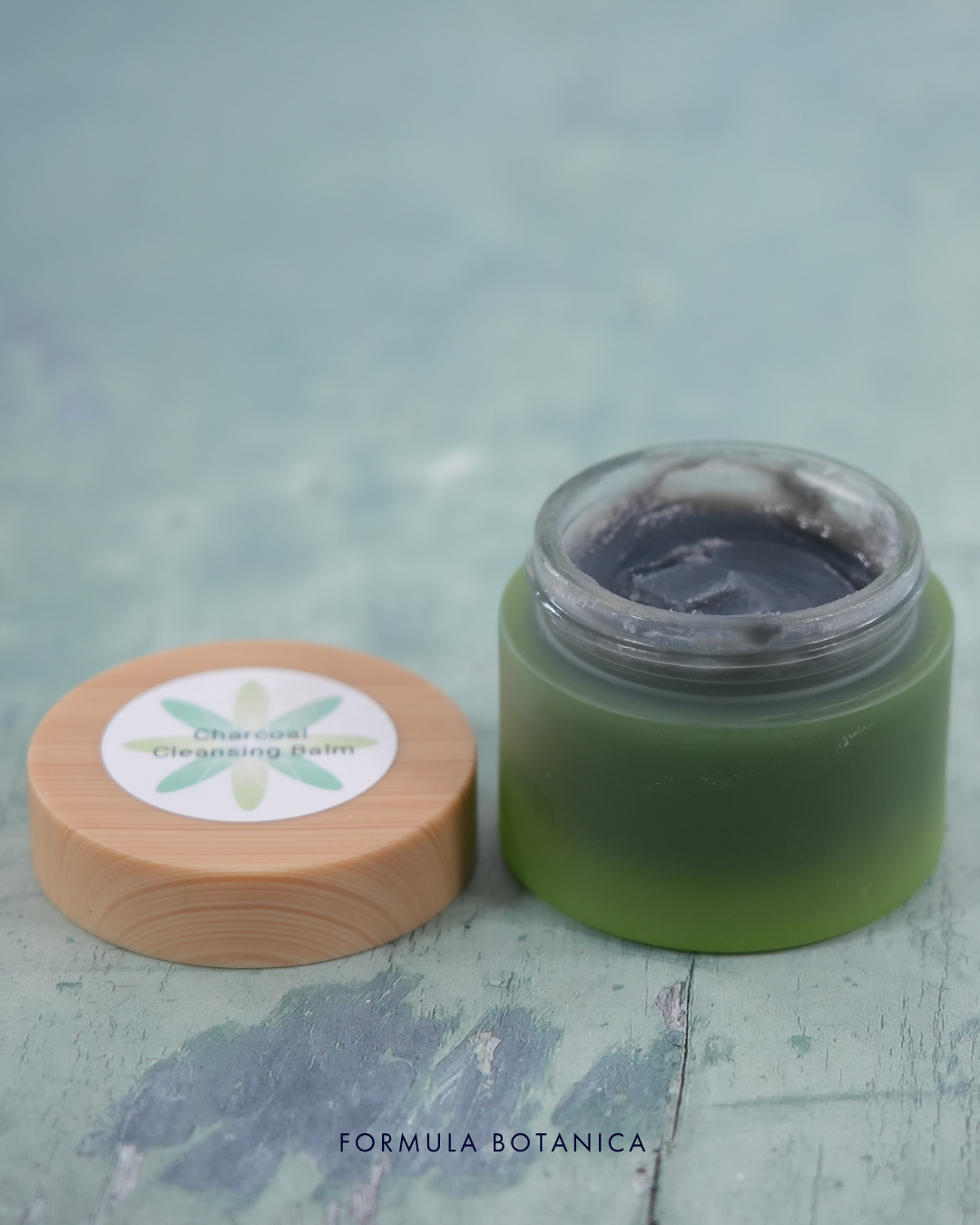
Equipment
Don’t worry about needing an elaborate lab setup—this process can be handled with basic kitchen tools:
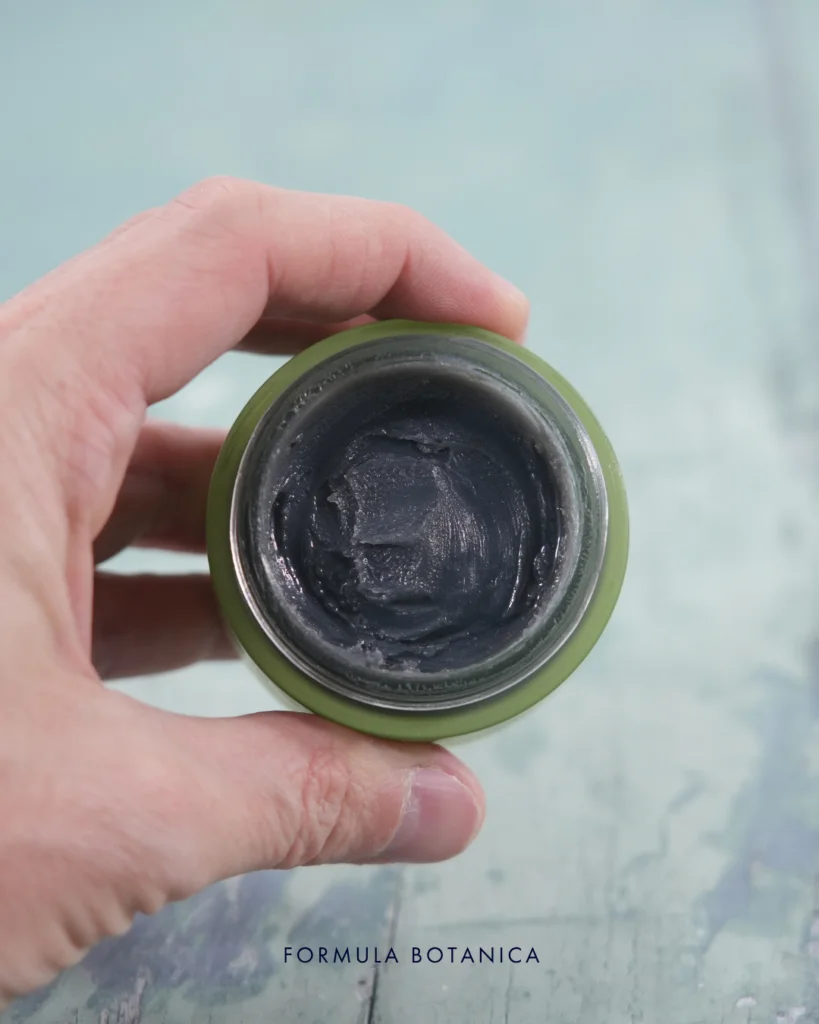
- Digital kitchen scale: Essential for accurate ingredient measurements.
- Two heatproof glass beakers or jars: One for butters, the other for oils.
- Glass stirring rod or a clean spoon: For mixing your ingredients.
- Water bath: A saucepan with a few centimeters of water works well.
- Jars: To store your final product.
Remember to dress appropriately: use disposable gloves, an apron, and tie back loose hair for hygiene. A face mask is advisable during formulation as certain powders can irritate the respiratory system. Since activated charcoal can stain surfaces, protect your workspace before diving in.
Ingredient Shopping List
Your cleansing balm will require the following ingredients:
- Cupuacu butter: Lighter than cocoa butter, it offers nourishment without heaviness.
- Cocoa butter: Provides solidity and a creamy texture for the balm.
- Myrica wax: Derived from berries, it helps the balm glide smoothly.
- Lecithin: Enhances texture and sensory feel.
- Passionfruit seed oil: Adds antioxidants and delivers a light, fruity aroma.
- Macadamia nut oil: Known for its quick absorption, it leaves no greasy residue.
- Activated charcoal powder: Offers coloration and helps lift impurities from the skin.
- Vitamin E (Tocopherol): Preserves the blend’s freshness and acts as an antioxidant.
- Alpha-bisabolol: Comforts sensitive skin with its soothing qualities.
- Cedarwood essential oil and sweet orange essential oil: Combine to create a fresh yet earthy fragrance; feel free to customize these scents.
- Sodium Cocoyl Isethionate (SCI) powder: Optional ingredient that aids in emulsifying the balm with water.
How to Make a Charcoal Cleansing Balm, Step-by-Step
- Makes: 100g
- Level: Suitable for beginners
- Estimated time: Approximately 20 minutes
- Method: Simple melting and pouring with the aid of a water bath
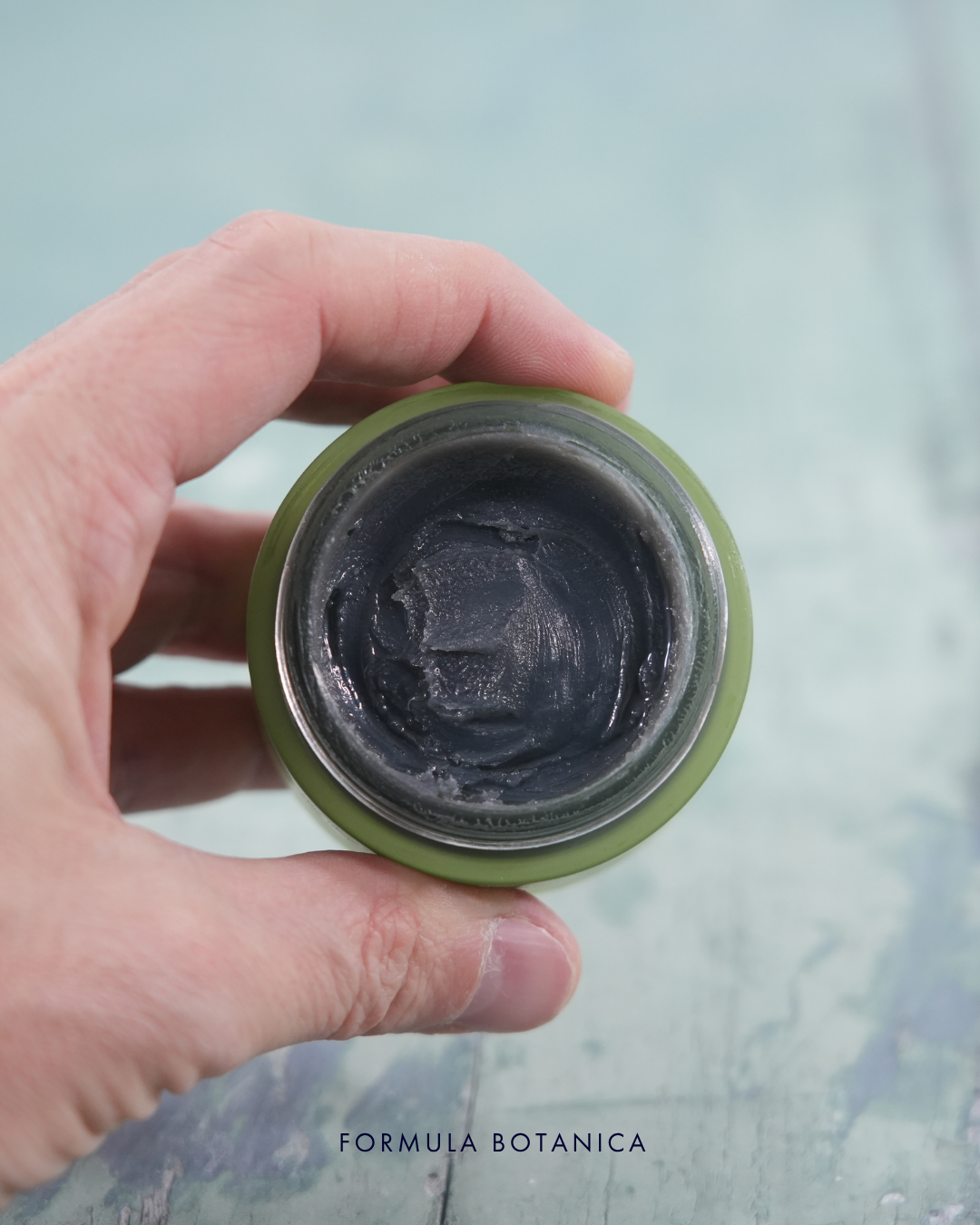
| Phase | Ingredients | INCI | Weight (g) |
| A | Cupuacu butter | Theobroma Grandiflorum Seed Butter | 25.00 |
| A | Cocoa butter | Theobroma Cacao (Cocoa) Seed Butter | 10.00 |
| A | Myrica wax | Myrica Cerifera (Bayberry) Fruit Wax | 7.00 |
| A | Lecithin | Lecithin | 2.00 |
| B | Passionfruit seed oil | Passiflora Edulis Seed Oil | 32.00 |
| B | Macadamia nut oil | Macadamia Ternifolia Seed Oil | 19.95 |
| B | Activated charcoal powder | Charcoal Powder | 0.75 |
| C | Sodium Cocoyl Isethionate (SCI) | Sodium Cocoyl Isethionate | 2.00 |
| D | Vitamin E | Tocopherol | 0.50 |
| D | Alpha-bisabolol | Bisabolol | 0.30 |
| D | Cedarwood essential oil | Cedrus Atlantica Bark Oil | 0.20 |
| D | Sweet orange essential oil | Citrus Sinensis (Orange) Peel Oil | 0.30 |
| Total: 100.00 |
Step-by-Step Method
Follow these steps to craft your charcoal cleansing balm from start to finish:
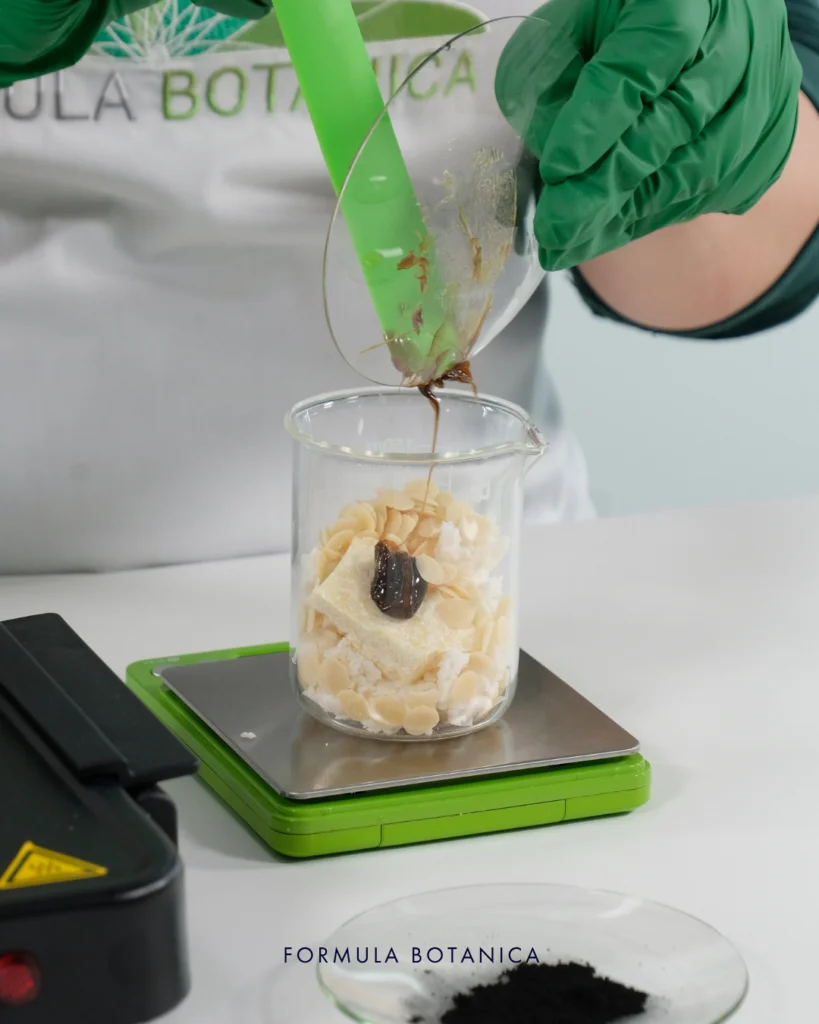
- Step 1: Melt the Butters, Wax, and Lecithin (Phase A)
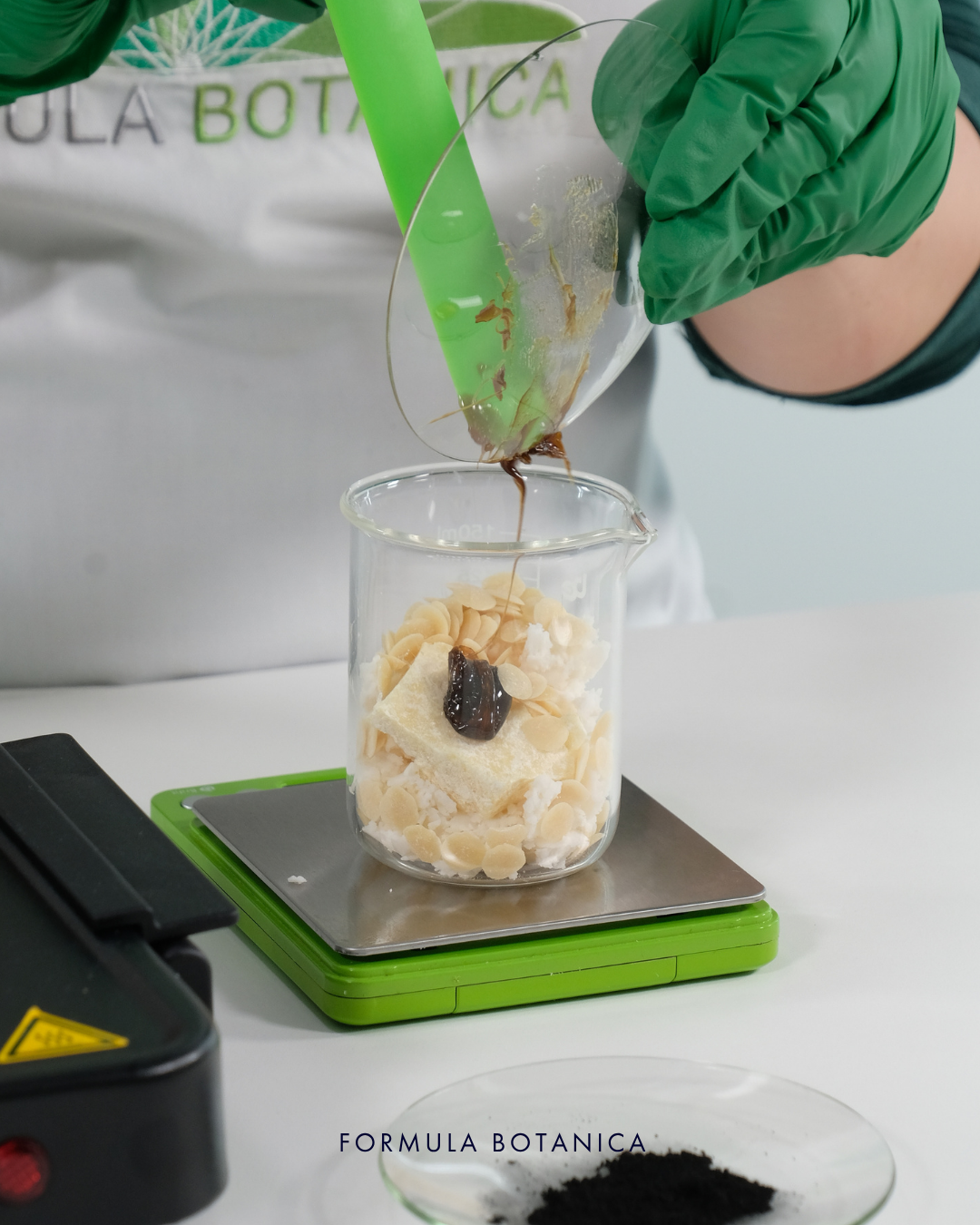
Measure out the cupuaçu butter, cocoa butter, myrica wax, and lecithin in a heatproof beaker, taring the scale after each addition. Then, place the beaker in your water bath until everything melts together, reaching a temperature of 60-65°C.
- Step 2: Blend the Oils and Charcoal
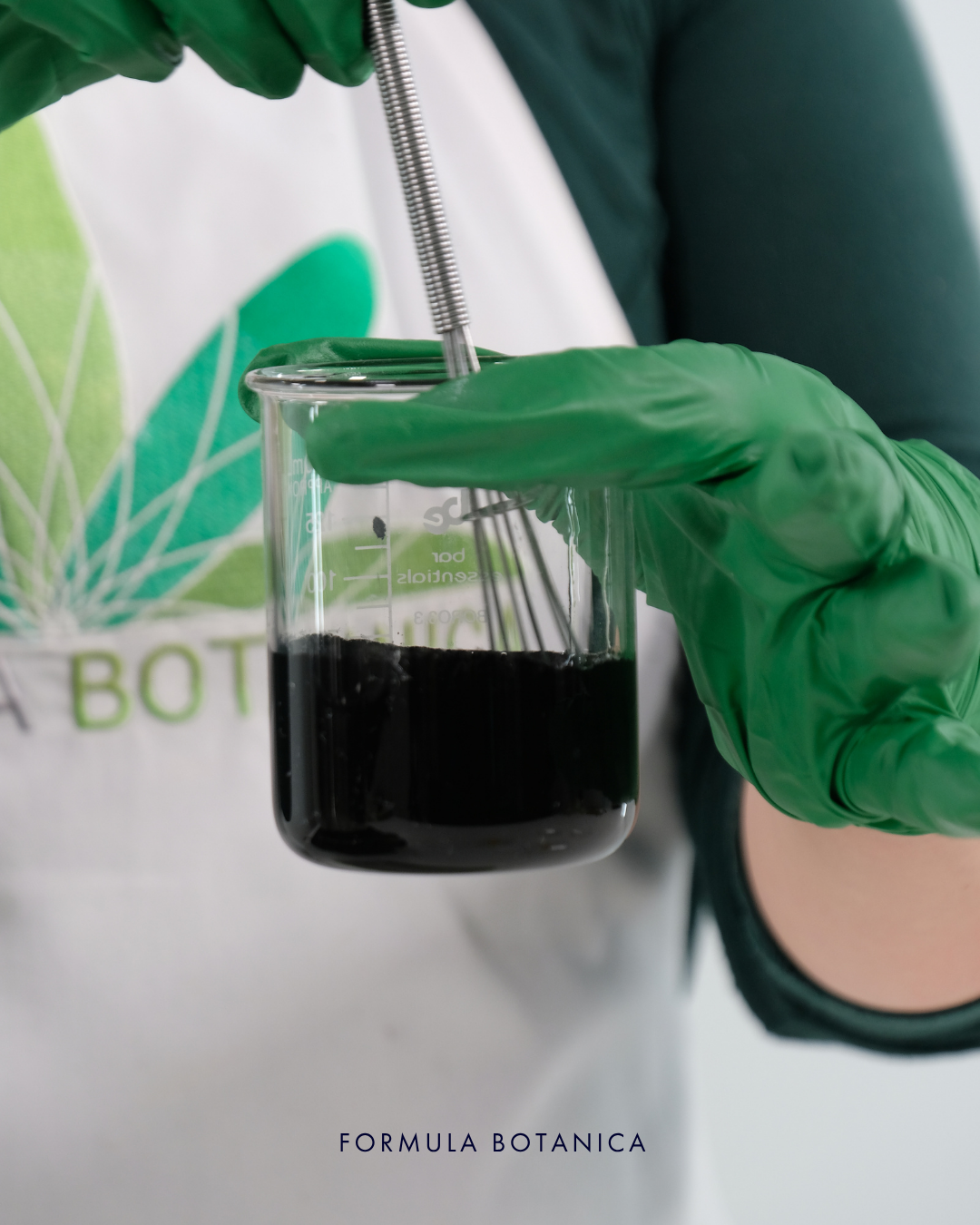
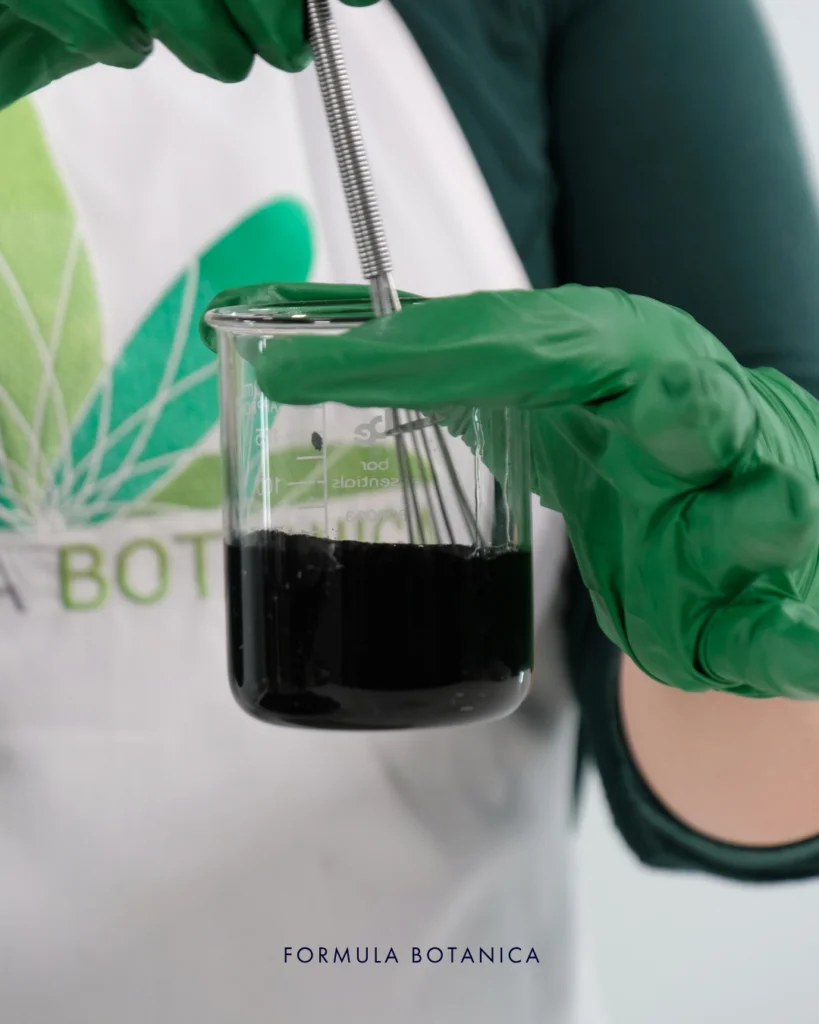
While the first phase is melting, weigh the passionfruit seed oil and macadamia nut oil into a separate beaker. Stir in the activated charcoal powder—it won't dissolve but will mix better if done now, preventing clumps when combined with the butters.
- Step 3: Combine and Add the Finishing Touches
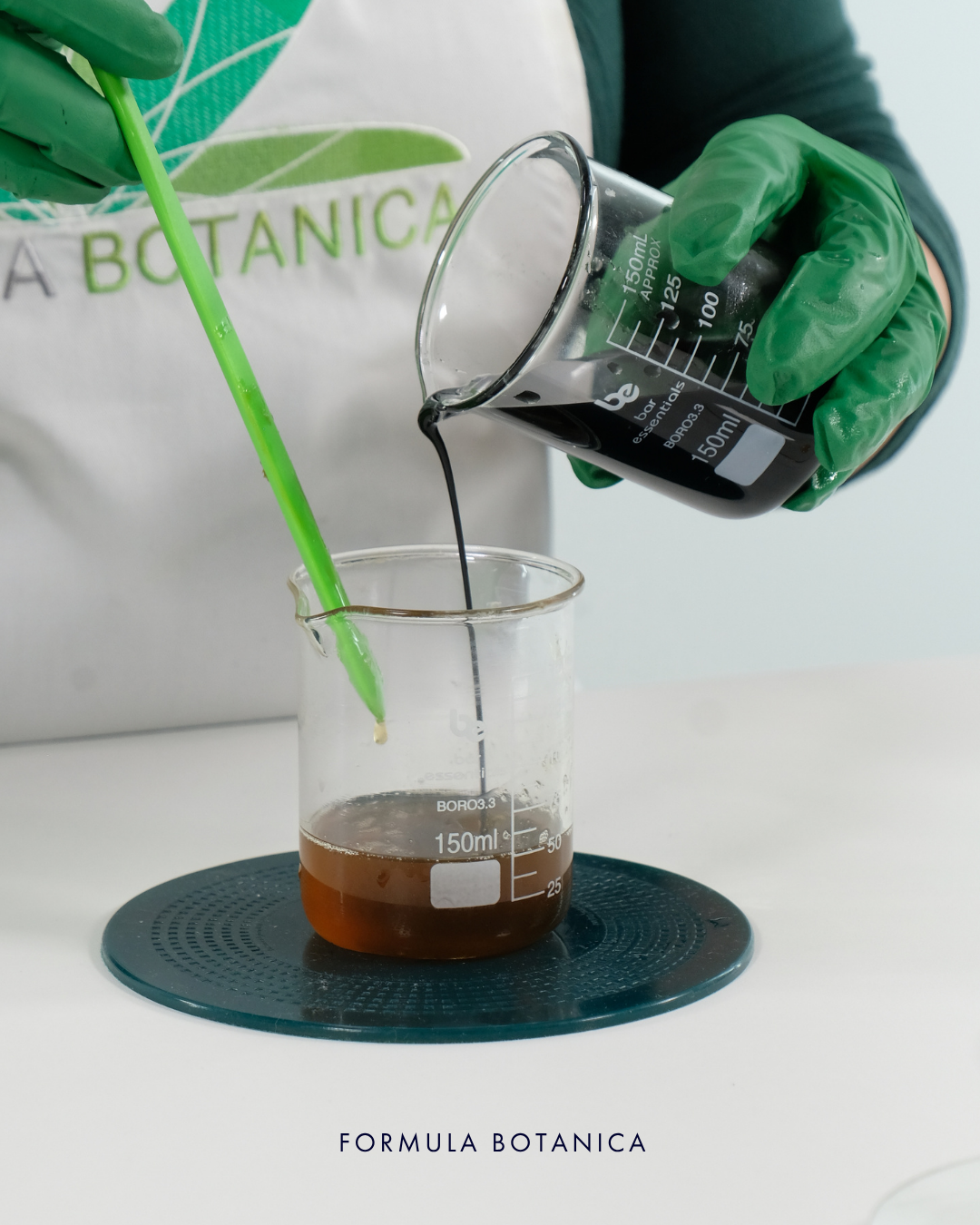
After your Phase A ingredients melt fully, remove them from the heat and let the mixture cool to 45-50°C.
If you wish for a version that rinses away entirely, this is the point to add SCI powder (2g). It emulsifies with water, altering the texture. Reduce the macadamia oil to 19.95g to account for this addition. Without SCI, increase the macadamia oil to 21.95g for a richer balm that conditions the skin well.
Combine the oil and charcoal mixture from Phase B and stir until the color turns to a deep, uniform black.
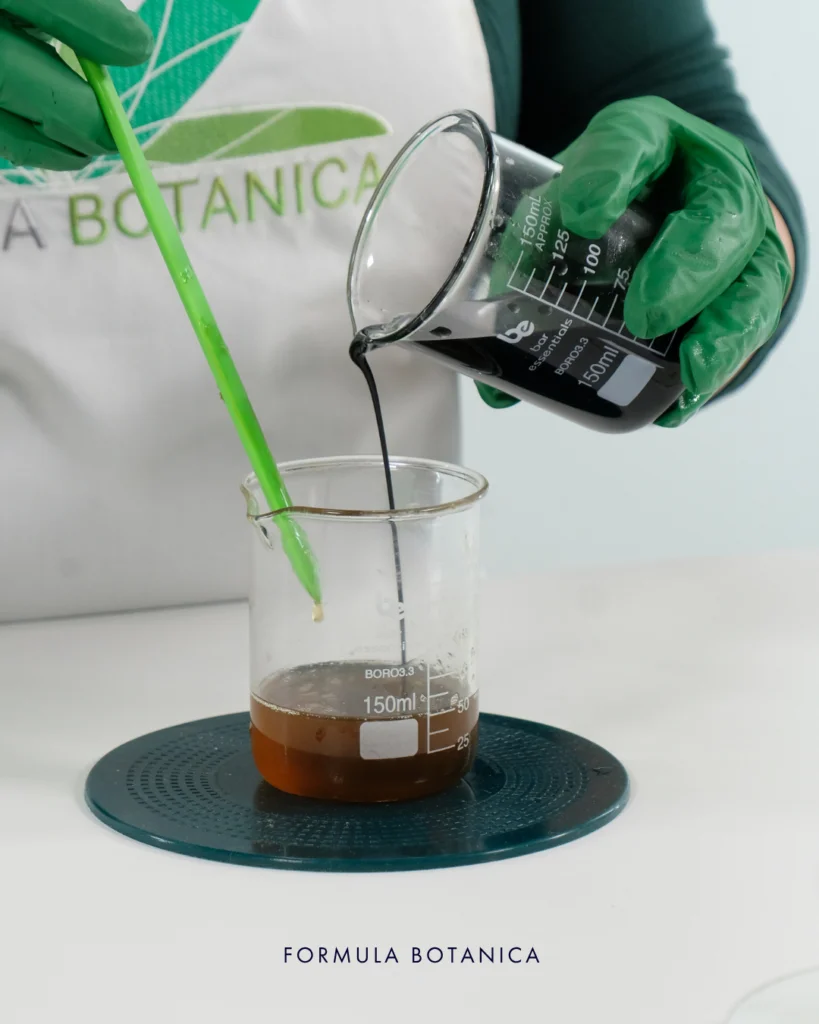
Finally, introduce your vitamin E, alpha-bisabolol, cedarwood oil, and sweet orange oil; mix well.
- Step 4: Pour and Package
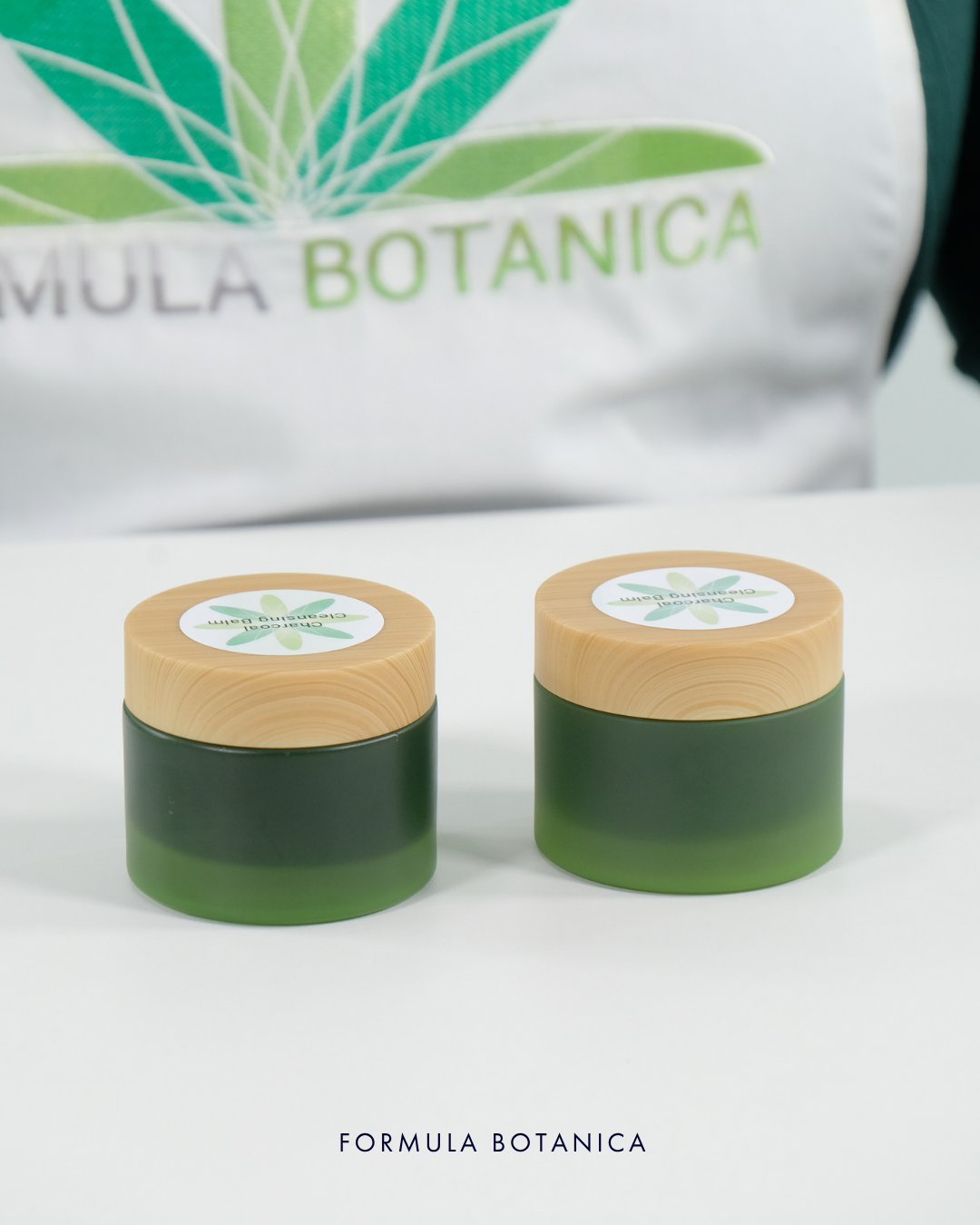
Continue stirring as it cools to prevent settling, and once the balm remains pourable yet slightly cool, transfer it into your jars to set. You've now mastered the skill of making a charcoal cleansing balm!
Using Your Cleansing Balm
To enjoy your cleansing balm, take a small quantity and massage it into dry skin. Then, add a splash of warm water. Depending on which formula you created, you'll have two experiences:
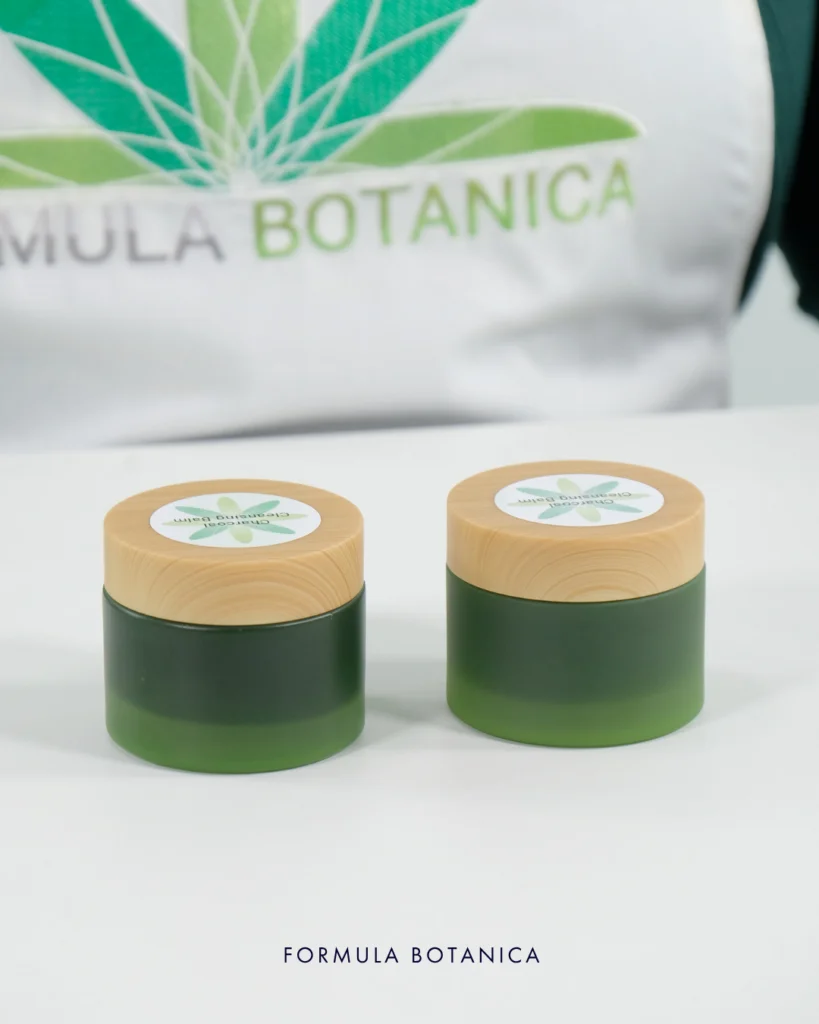
The version crafted without SCI transforms into a luxurious oil, easily wiped away using a warm cloth, leaving a light, nourishing layer ideal for dry skin or as part of a double cleansing routine.
Conversely, the version including SCI becomes milky and washes off completely, making it an excellent match for oilier skin types or as a standalone cleanser.
Both formulations cater to various skin types and can be stored in cool, dry settings, ensuring longevity for months.
Notes & Customisation Tips from the Formula Botanica Team
Cleansing balms are some of the most adaptable anhydrous formulations you'll encounter, and minor adjustments can lead to surprisingly distinct outputs. Here's what to consider:

Avoiding Greasiness: Balance richer butters with quicker absorbing oils, like macadamia or passionfruit seed oil. Lecithin can improve the skin feel, and including charcoal or clays will cut down on grease while adding a soft exfoliating effect during application.
Working with Charcoal: Remember, activated charcoal doesn't dissolve, so continual stirring helps avoid settling during the cooling phase. Use gloves to prevent skin staining, and take precautions against stains on your countertop.
Storage and Packaging: Being anhydrous, this balm is more resistant to bacterial growth. Make sure to keep moisture out of the jar by closing it tightly between uses and avoiding wet fingers.
Making it Your Own: Feel free to swap essential oils or adjust the amount of charcoal to match your preferences, or eliminate charcoal for a softer-colored balm.

FAQs
Does a cleansing balm need a preservative?
Not if kept anhydrous. Such oil-based formulas are more resilient to microbial growth. Ensure that water isn’t introduced into the jar.
Is activated charcoal genuinely cleansing, or is it just for aesthetics?
Both. It serves to enhance the balm’s color while also providing minor cleansing through its ability to adsorb impurities like sebum and pollutants.
Can I use a cleansing balm if I have oily skin?
Absolutely! The version with SCI rinses clean, making it suitable for oilier skin or those preferring a single-step cleanse.
Do I need to choose between the two versions?
No, it’s common for formulators to make both and choose based on their skin's needs or seasonality.
What purpose does lecithin have in this formula?
It enhances texture and stabilizes the oil blend, similar to its role as an emulsifier in various formulations.
Where can I learn professional formulation skills?
Consider joining Formula Botanica, where thousands of students have benefited from our award-winning online courses on organic cosmetic formulation. Our free training is an excellent starting point to delve deeper into crafting professional-grade products tailored to personal needs.
Your Next Steps
If you found this tutorial on creating a charcoal cleansing balm intriguing, explore ten more beginner-friendly recipes: 10 best beauty products to make at home
This balm exemplifies the foundational skills you'll develop in Formula Botanica’s courses. The art of formulation can be learned by anyone, regardless of their background, unlocking pathways to personalized skincare, haircare, and cosmetics.
Our free training provides an accessible route to go beyond this single recipe and discover the fundamentals behind successful formulation.